Best Bioink Development Platforms for 2026 Are They Worth It?
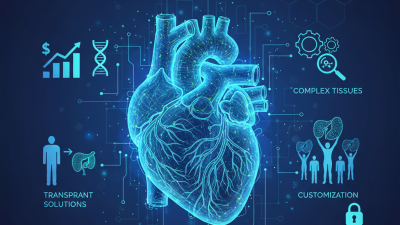
The innovation of bioink development platforms is transforming the field of regenerative medicine. As the market for bioprinting expands, estimates suggest it will surpass $2 billion by 2027. This growth highlights the increasing significance of bioink and its applications in tissue engineering. Recent advancements indicate that these platforms enable precise control over cell placement and material properties. Improved bioink formulations are crucial for creating viable tissues.
Several companies are leading this dynamic sector. They are developing bioinks that closely mimic natural environments. These innovations have improved cell viability and functionality in printed tissues. For instance, a recent report showed a 30% increase in cell survival rates with new bioink solutions.
However, challenges remain in scaling production. Some platforms still face limitations in material diversity and long-term stability. Industry experts emphasize the need for extensive research to enhance performance. These factors make the question of investing in bioink development platforms both critical and complex. Will the anticipated benefits justify the costs? As development progresses, the answer will become clearer, shaping the future landscape of tissue engineering.

Advancements in Bioink Technologies for 2026
The field of bioink technology is rapidly evolving, with significant advancements on the horizon for 2026. Researchers are exploring biocompatible materials that can better mimic the complex structure of living tissue. This advancement is crucial for applications in tissue engineering and regenerative medicine. Emerging bioinks may feature natural polymers derived from plant or animal sources, enhancing their compatibility with human cells.
While these developments show great promise, challenges remain. One pressing issue is ensuring the stability and mechanical properties of bioinks after the printing process. Many formulations still struggle to maintain their integrity, leading to inconsistent results. Additionally, the scalability of production methods must be addressed. As researchers strive for larger volumes, maintaining quality without compromising bioactivity becomes a significant hurdle.
Collaboration among scientists, engineers, and medical professionals is essential. Collective expertise will drive innovations that not only optimize these formulations but also expand their applications. As bioink technologies progress, it is vital to consider ethical implications and long-term effects on human health. The journey toward ideal bioinks continues to unfold, filled with both exciting potential and necessary caution.
Key Players in Bioink Development Platforms
As the field of bioink development continues to evolve, several key players emerge. These companies focus on creating versatile bioprinting materials. Their innovations aim to enhance the effectiveness of tissue engineering and regenerative medicine. Researchers often cite their work when discussing advancements in this area, reflecting their influence.
Collaboration between biotechnology firms and academic institutions drives success. This partnership allows for sharing of expertise. Many researchers around the world are eager to explore how these platforms can improve patient outcomes. However, the effectiveness of such collaborations is sometimes questioned. The best outcomes are not always guaranteed.
Investment in research and development is crucial for these platforms. Some players may struggle to keep pace with rapid technological changes. Others may find it challenging to secure adequate funding for their projects. The need for reliable data and validation remains paramount. Without these, the path to gaining trust in bioink applications can be rocky.
Evaluating the Cost-Effectiveness of Bioink Solutions
The evolution of bioink development platforms by 2026 promises both potential and challenges. A key factor to consider is cost-effectiveness. High-quality bioinks can significantly enhance tissue engineering and regenerative medicine. However, these advancements often come with a hefty price tag. Assessing whether these solutions are worth the investment requires a careful analysis of their applications.
In many cases, the price reflects the complexity of the materials and the technology involved. Some bioinks can mimic natural tissues exceptionally well, leading to better results in laboratory tests. This effectiveness might justify a higher initial cost. Yet, the industry is aware of its limitations. Variability in performance across different bioinks can cause uncertainty. Not every expensive option delivers superior results.
Developers must weigh their goals against their budgets. Are more affordable alternatives providing adequate performance? Some projects may benefit from a mix of high and low-cost bioinks to optimize results while managing expenses. Ultimately, each decision requires extensive evaluation and reflection on the long-term benefits versus short-term costs. Engaging with experts in the field may reveal insights that can guide these critical choices, emphasizing the importance of informed decision-making in this innovative landscape.
Best Bioink Development Platforms for 2026 Are They Worth It? - Evaluating the Cost-Effectiveness of Bioink Solutions
| Platform |
Material Type |
Cost per Liter ($) |
Development Time (Months) |
Application Focus |
| Platform A |
Alginate-based |
200 |
6 |
Tissue Engineering |
| Platform B |
Gelatin-based |
250 |
8 |
Regenerative Medicine |
| Platform C |
Collagen-based |
300 |
9 |
Skin Regeneration |
| Platform D |
Fibrin-based |
275 |
7 |
Bone Repair |
| Platform E |
Chitosan-based |
220 |
5 |
Cartilage Regeneration |
Potential Applications of Bioinks in Regenerative Medicine
Bioinks are revolutionizing regenerative medicine with their potential to create tissue-engineered constructs. According to a report from Grand View Research, the bioink market is projected to reach USD 2.2 billion by 2026, growing at a CAGR of 20.5%. This growth signifies an increasing commitment to developing functional tissues for medical applications.
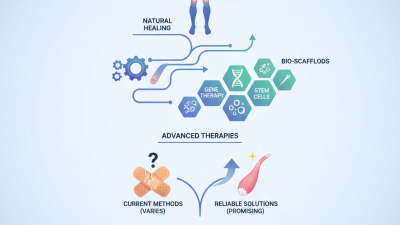
In regenerative medicine, bioinks are utilized to create scaffolds that support cell growth. These scaffolds can be integrated into damaged tissues. For instance, researchers have demonstrated successful results in 3D printing human skin. The biocompatibility of bioinks is crucial, as they must support cell viability and functionality. Recent studies indicate that bioinks made from natural materials enhance cell adhesion and proliferation.
Despite the progress, challenges remain. The mechanical properties of bioinks often do not meet the necessary standards for load-bearing applications. Additionally, reproducibility in printing processes can vary. Ongoing research is focused on optimizing formulations to address these shortcomings. As this field advances, it holds the promise of transforming therapies for wound healing and organ regeneration.
Future Trends and Challenges in Bioink Research and Development
The field of bioink research is rapidly evolving, with a strong focus on creating effective and sustainable materials for tissue engineering. One significant trend is the pursuit of biocompatibility and mechanical strength in bioinks. Researchers are exploring diverse natural and synthetic polymers. These materials aim to mimic the properties of human tissues. However, developing the right bioink often requires balancing these properties, which remains a challenge.
Another critical aspect is the scalability of bioink production. As demand grows, researchers face hurdles in scaling up their processes without sacrificing quality. High-throughput screening methods could provide solutions. However, innovative approaches are still needed to ensure a reliable supply of bioinks for commercial applications. The path ahead demands collaboration among scientists and engineers to tackle these complex challenges while pushing the boundaries of bioink development.
Moreover, regulatory frameworks for bioinks remain ambiguous in many regions. This uncertainty can hinder progress in research and commercialization. Researchers must navigate these evolving regulations, which play a significant role in shaping the future landscape of bioink applications. Addressing these roadblocks will be vital for advancing bioink technologies and facilitating their adoption in the field of regenerative medicine.