Top 10 Innovations in 3D Printed Tissues Transforming Medicine Today?

In the rapidly evolving field of regenerative medicine, 3D printed tissues are revolutionizing patient care and treatment protocols. Dr. Jennifer H. Lewis, a prominent researcher in biomaterials, once stated, "3D printed tissues hold the potential to redefine our approach to organ replacement." This technology is not just about creating artificial organs; it's about customizing solutions for individual patients.

As the demand for organ transplants rises, the limitations of traditional methods become apparent. 3D printed tissues offer a viable alternative, allowing for the creation of complex structures that mimic natural organs. Researchers are exploring various materials that enhance biocompatibility and support cell growth. These innovations can lead to faster healing times and reduced rejection rates.

However, challenges remain. Integration with the human body is still a significant hurdle. Ensuring blood supply and nerve connections is crucial for functionality. The ongoing research in this field highlights both promise and uncertainty. As we move forward, the need for thoughtful innovation in 3D printed tissues will shape the future of medicine.
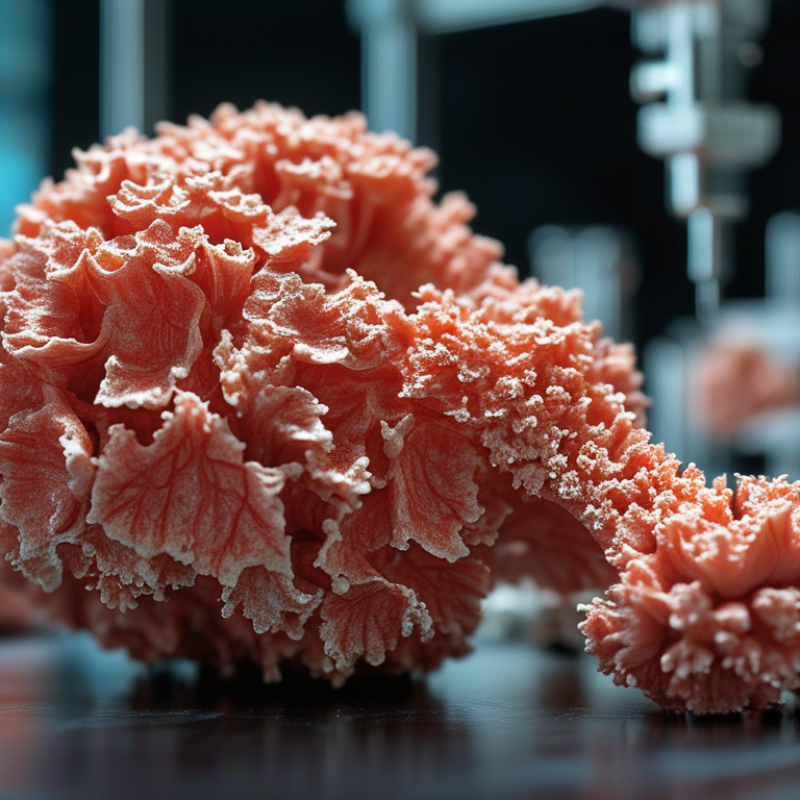
Top 10 Innovations in 3D Printed Tissues Transforming Medicine Today?

The Rise of 3D Printing in Tissue Engineering

The surge of 3D printing in tissue engineering is reshaping modern medicine. Scientists are developing techniques to create complex tissue structures. These innovations address critical challenges in regenerative medicine. They allow for the fabrication of tissues that mimic the natural environment of human cells. This advancement can lead to improved healing and recovery outcomes.

Research indicates that 3D printed tissues can be used for drug testing. This can reduce the need for animal testing, which raises ethical concerns. However, the technology has limitations. The complexity of human tissues makes it challenging to replicate their function fully. Many researchers face difficulties with vascularization in printed tissues. Ensuring nutrients and oxygen reach all cells is still a puzzle. As advancements continue, these hurdles need addressing.

Despite the potential, the field is still in its infancy. Many applications are in early research stages. Regulatory approvals and clinical trials will take time. The journey involves continuous learning, and setbacks are expected. Yet, the promise of 3D printed tissues offers hope for the future of personalized medicine. The collaboration between engineers and biologists is vital. Together, they can innovate solutions that were previously unimaginable.
Key Technologies Enabling 3D Printed Tissues

3D printing in medicine is reshaping how we approach tissue engineering. Key technologies enable this innovation, improving patient care. Bioprinting is at the forefront, allowing researchers to layer cells into precise structures. This technique mimics natural tissue architecture closely. The potential for creating organs on demand is both exciting and daunting.

Another critical technology is the use of bioinks. These materials support cell survival during the printing process. They can be derived from natural or synthetic sources. Finding the right balance is challenging. Researchers are still experimenting with various combinations to enhance the outcomes. Challenges remain in scaling up production and ensuring long-term viability of printed tissues.

Additive manufacturing methods are also evolving. They enable complex, patient-specific designs. Each layer of material contributes to a more personalized solution. However, these innovations raise questions about regulatory standards. Ensuring safety and efficacy is paramount. Ongoing research must address these issues for widespread adoption. The path is paved with uncertainties, yet the possibilities spark hope in the medical community.

Top 10 Innovations in 3D Printed Tissues Transforming Medicine Today

Innovation Key Technology Application in Medicine Impact
Bioprinting Extrusion-based printing Tissue engineering Regeneration of damaged tissues
Organ-on-a-chip Microfluidics with 3D printing Drug testing Improved drug efficacy and safety
3D Printed Implants Selective Laser Sintering Bone and joint replacements Enhanced fit and patient comfort
Vascularized Tissue Models Inkjet printing Cardiovascular research Better understanding of blood flow dynamics
Soft Tissue Reconstruction Digital light processing Facial reconstruction Natural appearance and functionality
Personalized Drug Delivery Systems Fused deposition modeling Targeted therapy Increased treatment efficacy
3D Printed Skin Grafts Bioink technology Burn treatment Faster healing and reduced scarring
Nerve Regeneration Scaffolds Electrospinning technique Neurological recovery Improved outcomes for nerve injuries
Cartilage Replacement Laser-based 3D printing Arthritis treatment Restoring joint function
Dental Restoration Resin printing Custom prosthetics Higher patient satisfaction

Innovative Applications of 3D Printed Organs in Medicine

The world of medicine is evolving with the advent of 3D printed organs. This technology reshapes how we approach tissue engineering and transplant surgery. Researchers are creating realistic organ structures, mimicking natural tissues. This may reduce transplant wait times and improve patient outcomes.

3D printed tissues come with exciting applications. They can be used for drug testing, reducing the need for animal models. Customized implants are also emerging. These can match a patient’s anatomy precisely. Yet, challenges remain. The complexity of living tissues is difficult to replicate entirely. Developing blood vessels in printed tissues is still a pressing issue.

Tips: For those interested in this field, attending workshops is beneficial. Networking with professionals can inspire innovative ideas. Keep learning from research publications; they offer insights into recent advancements. Embrace the imperfections in current technologies. Each failure teaches us how to improve and innovate.

Top 10 Innovations in 3D Printed Tissues Transforming Medicine Today

Challenges and Ethical Considerations in 3D Bioprinting

3D bioprinting is revolutionizing the medical field. However, it brings challenges and important ethical considerations. One major concern is the risk of organ rejection. According to a report by the National Institutes of Health, about 20% of transplant patients experience rejection. Ensuring the compatibility of bioprinted tissues with human systems is crucial.

Ethical dilemmas also arise. The potential to create human tissues raises questions about the definition of life. The American Medical Association indicates that 60% of physicians are worried about the ramifications of creating complex tissues. Consent and ownership issues require careful examination as well. The need for stringent regulatory frameworks is pressing.

Moreover, access to bioprinting technology is uneven globally. Developing countries may lack the resources to adopt these innovations. This raises concerns about health equity. Ethical dialogue is essential in addressing these disparities. Balancing the benefits of 3D bioprinting with moral responsibilities is a delicate task that requires ongoing discussion.

Future Prospects for 3D Printed Tissues in Healthcare

The future of 3D printed tissues in healthcare holds immense promise. Researchers envision advanced bio-printed organs mimicking natural function. This technology allows for patient-specific tissues tailored to individual needs. Imagine a world where organ transplants are obsolete, and patients receive custom-made organs on demand.


However, the journey is not without challenges. Quality assurance remains a significant hurdle. Testing the long-term viability of these tissues in the human body is essential. Additionally, ethical concerns arise regarding the use of bioprinting. Regulatory frameworks must adapt to keep pace with rapid advancements.


While the potential is vast, we must proceed carefully. Balancing innovation with safety will be crucial. Collaboration among scientists, doctors, and ethicists can steer this exciting field forward. Only then can we truly realize the transformative power of 3D printed tissues in medicine.