Why is Soft Tissue Regeneration Important for Healing and Recovery?
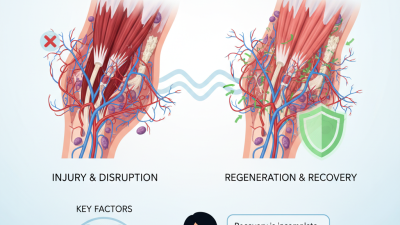
Soft tissue regeneration plays a crucial role in healing and recovery. Injuries to soft tissues, including muscles, ligaments, and tendons, can significantly impact a person's ability to function. When these tissues are damaged, the body’s natural healing processes must kick in. However, this process can be slow and sometimes ineffective.
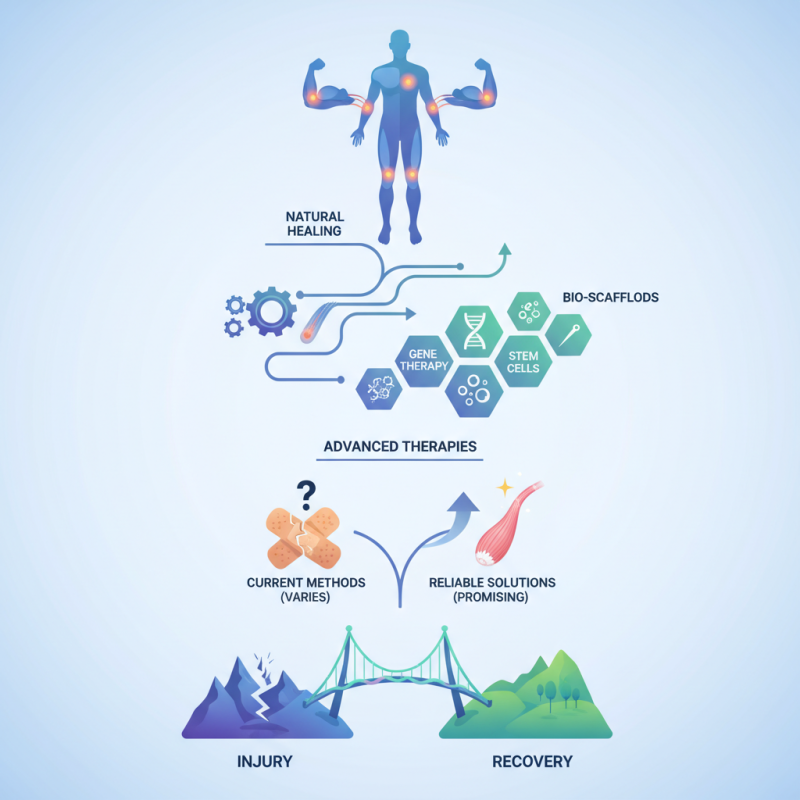
Understanding the mechanisms behind soft tissue regeneration can enhance recovery. This area of study is essential for athletes and those with chronic injuries. By exploring various treatment options, we can improve outcomes. Advanced therapies, such as regenerative medicine, show promise in speeding up healing. Moreover, the need for effective strategies raises questions about current methods. While many approaches exist, their effectiveness varies.
Balancing these factors requires expertise in soft tissue science. The goal is to develop reliable solutions that promote healing. A deeper insight into tissue regeneration helps bridge the gap between injury and recovery. Ultimately, fostering a well-rounded understanding can lead to better health outcomes for individuals facing soft tissue injuries.
Importance of Soft Tissue Regeneration in the Healing Process
Soft tissue regeneration plays a crucial role in the healing process. It involves the repair and restoration of muscles, tendons, and ligaments. According to a report by the American Journal of Sports Medicine, soft tissue injuries account for over 30% of all sports injuries. Effective regeneration can significantly reduce recovery time, allowing individuals to return to their activities swiftly.
Research indicates that tissues regenerate faster when appropriate methods are applied. A study published in Tissue Engineering found that therapies promoting regeneration can enhance healing speed by 50%. These advancements are vital for athletes and active individuals. However, not all methods are equally effective. It’s essential to tailor treatments to individual needs.
Injuries can be complex, and recovery is not always linear. Some patients may experience complications in regeneration. They might encounter issues like inadequate blood flow or excessive inflammation. Consistent evaluation of treatment strategies is necessary. Balancing various approaches can lead to improved outcomes. Understanding each person's unique healing trajectory is essential for success.
Role of Soft Tissue in Overall Body Function and Structure
Soft tissue plays a critical role in the overall function and structure of the body. This includes muscles, tendons, ligaments, and fascia. These tissues not only support movement but also protect vital organs. A study published in the Journal of Tissue Engineering reported that effective soft tissue regeneration can lead to improved recovery times and reduced complications after injuries or surgeries.
When soft tissue is damaged, it can disrupt the body's balance. Scar tissue may form, leading to stiffness and limited mobility. Understanding how these tissues heal is crucial for rehabilitation professionals. According to the American Physical Therapy Association, soft tissue injuries account for up to 50% of sports injuries. This highlights the importance of proper healing strategies.
Tip: Focus on a balanced diet rich in protein and vitamins. This supports tissue repair and enhances recovery. Incorporating gentle stretching can also improve blood flow, which aids in healing. Not every approach works for everyone, so monitor your body’s response to rehabilitation techniques. Tailoring your recovery process is essential for effective healing.
Importance of Soft Tissue Regeneration for Healing and Recovery
Mechanisms of Soft Tissue Regeneration: Cellular and Molecular Basis
Soft tissue regeneration plays a crucial role in healing and recovery. Understanding its cellular and molecular mechanisms reveals the complexity of this process. At the heart of regeneration are specialized cells like fibroblasts and myocytes. These cells are essential for repairing damaged tissues. They respond to injury by proliferating, migrating to the wound site, and producing extracellular matrix components. This matrix provides the structural framework necessary for tissue repair.
The molecular basis of soft tissue regeneration involves intricate signaling pathways. Growth factors, such as fibroblast growth factor (FGF) and transforming growth factor-beta (TGF-β), are vital. These factors orchestrate cellular responses that promote healing. When tissue is injured, these signals activate pathways that lead to cell survival and migration. They encourage the production of new cells and the remodeling of the tissue. However, the balance is delicate. Overactive signaling can lead to excessive scar formation, which may impair function.
Inadequate regeneration presents challenges. Aging and chronic diseases often complicate the repair process. In some cases, poor blood supply further hinders regeneration efforts. Understanding these issues is essential for developing better therapeutic strategies. As research progresses, we must reflect on what we learn. Embracing both the successes and failures in soft tissue regeneration will pave the way for future advancements in healing and recovery.
Why is Soft Tissue Regeneration Important for Healing and Recovery?
| Aspect |
Description |
Mechanism |
Significance |
| Cellular Response |
Involves the activation of fibroblasts and endothelial cells. |
Proliferation and differentiation of cells. |
Essential for tissue repair and vascularization. |
| Extracellular Matrix (ECM) |
Provides structural and biochemical support to surrounding cells. |
Synthesis of collagen and glycoproteins. |
Critical for strength and integrity of regenerated tissue. |
| Inflammatory Response |
Initiates repair mechanisms through immune cell recruitment. |
Release of cytokines and growth factors. |
Promotes healing while preventing infection. |
| Tissue Regeneration Factors |
Hormones and growth factors that stimulate tissue repair. |
Involves TGF-beta and VEGF signaling pathways. |
Enhances the efficacy of regeneration processes. |
| Matrix Remodeling |
Reorganization of the extracellular matrix post-injury. |
Matrix metalloproteinases (MMPs) play a key role. |
Important for restoring normal tissue structure and function. |
Factors Influencing Soft Tissue Healing and Regeneration
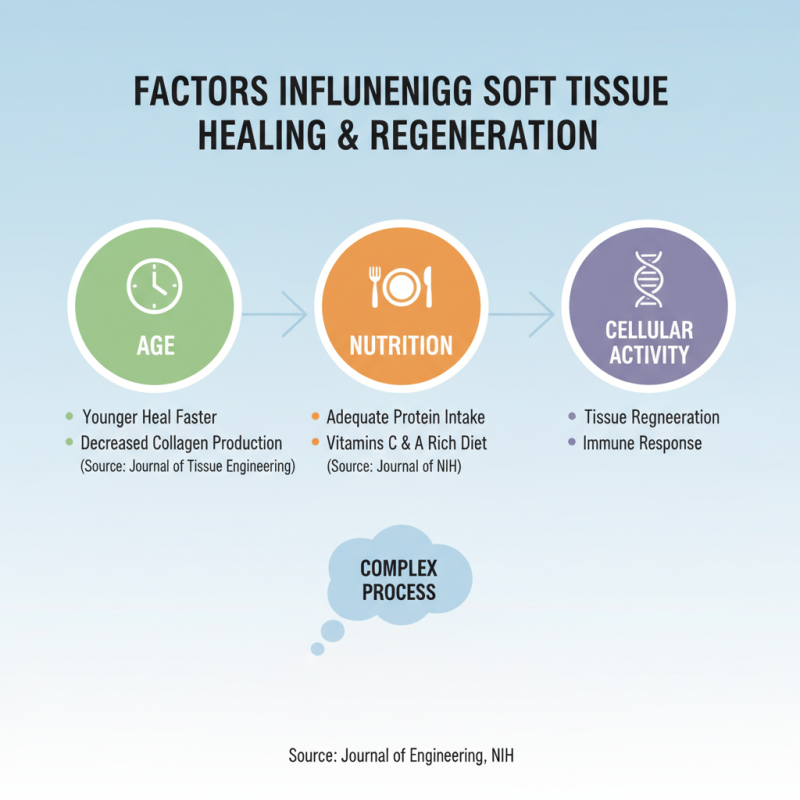
Soft tissue healing is a complex process influenced by various factors. Age plays a significant role; younger individuals typically heal faster. A study published in the Journal of Tissue Engineering indicates that collagen production decreases with age, slowing down recovery. Nutrition also impacts healing. Adequate protein intake is essential for tissue regeneration. According to the National Institutes of Health, a diet rich in vitamins C and A contributes to faster wound healing.
In addition to age and nutrition, the presence of underlying health conditions can hinder recovery. Diabetes, for instance, can reduce blood flow, impeding tissue regeneration. Stress affects healing by elevating cortisol levels, which can suppress immune function, leading to a longer recovery period.
Tip: Maintain a balanced diet with plenty of vitamins and minerals to support soft tissue healing. Engage in regular low-impact exercise to promote healthy blood flow. Ultimately, understanding these influential factors is crucial for effective healing and recovery. Patience is needed, as not every injury responds positively to treatment. Progress may be slow, reminding us that healing is not always a linear journey.
Applications of Soft Tissue Regenerative Therapies in Medicine
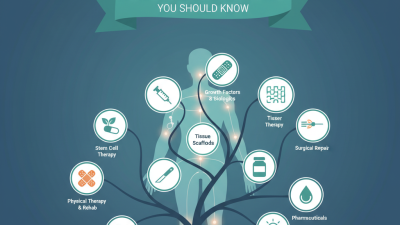
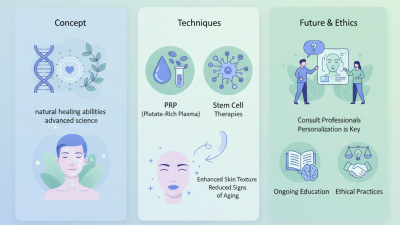
Soft tissue regenerative therapies are revolutionizing medicine. These approaches target injuries to muscles, tendons, and ligaments. They enhance healing processes and improve recovery outcomes. For example, platelet-rich plasma (PRP) injections have gained popularity. They utilize the body’s healing components to stimulate tissue regeneration. Doctors often use PRP for sports injuries, showing promising results.
In orthopedic surgery, soft tissue regeneration plays a critical role. Surgeons often face challenges with healing after procedures. Innovations like stem cell therapy offer new hope. These treatments may accelerate recovery and reduce complications. However, the efficacy of these therapies can vary by individual circumstances. Some patients see remarkable improvements, while others may not respond as well.
Moreover, there are ethical considerations. As we explore regenerative medicine, we must remain cautious. Not all new techniques are thoroughly tested. This creates a need for stringent peer review. Continuous research is vital to ensure patient safety and trust. The goal is to provide reliable, effective therapies that genuinely enhance healing processes.