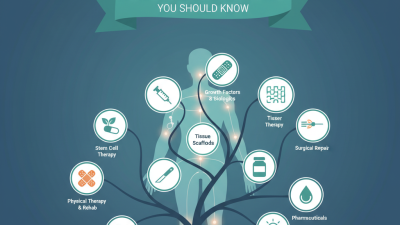
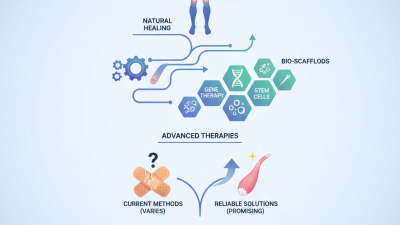
Top 10 Tissue Repair Solutions for Global Buyers in 2026
In 2026, the demand for effective tissue repair solutions is expected to grow significantly. The healthcare industry faces challenges in providing innovative solutions. Various factors contribute to this urgency. These include an aging population, increasing injuries, and the need for quick recovery options.
The marketplace is evolving. Buyers are seeking products that ensure reliable performance and rapid results. These tissue repair solutions not only focus on healing but also emphasize user convenience. New technologies enhance effectiveness, offering promising results. However, some solutions may not meet expectations, and this could raise concerns for buyers.
As global buyers navigate this landscape, understanding the top tissue repair solutions becomes crucial. Some products are backed by strong research and development. Yet, others may lack comprehensive data. It is essential to critically assess these offerings and choose wisely for optimal recovery outcomes.

Top 10 Tissue Repair Solutions for Global Buyers in 2026
In 2026, the demand for innovative tissue repair solutions is projected to soar. With advancements in bioengineering and regenerative medicine, buyers across the globe will seek cutting-edge technologies. According to the Global Market Insights report, the tissue repair market is expected to grow at a compound annual growth rate (CAGR) of 6.5% from 2023 to 2030.
Biomaterials will play a crucial role in this expansion. For instance, hydrogels and scaffolds will gain popularity due to their biocompatibility. These materials encourage cellular growth and tissue regeneration. However, challenges remain, such as ensuring the long-term stability of these products. The FDA and global regulatory bodies will scrutinize the safety and efficacy of these solutions.
Another exciting area is 3D bioprinting. This technology allows for creating complex tissue structures. A 2023 study indicated that 3D bioprinting could potentially revolutionize the way we approach tissue repair. However, the high cost and technical expertise required pose barriers to widespread adoption. Addressing these issues will be vital as the industry moves forward.
Market Overview: Demand and Growth Projections in Tissue Repair Sector
The tissue repair sector is experiencing significant growth. Rising global demand for advanced healing solutions drives this trend. As the population ages, the need for effective tissue repair options increases. Health care providers are seeking ways to improve recovery times and enhance patient outcomes. This demand presents numerous opportunities for innovation.
Market projections indicate substantial revenue growth in the tissue repair sector by 2026. Key factors include an increase in chronic diseases and surgical procedures. Biologics and synthetic materials are reshaping healing approaches. However, the market is not without challenges. Companies must address regulatory hurdles and supply chain complexities. Developing cost-effective solutions is essential for widespread adoption.
Healthcare professionals emphasize the importance of evidence-based practices in tissue repair. Research continues to unveil new methods and materials. Collaboration among experts fosters advancements in this field. There is a need for ongoing education about emerging technologies. Buyers should ensure that their choices are informed by real-world evidence.
Innovative Biomaterials: Advances in Tissue Engineering for Enhanced Repair
As we look towards 2026, the field of tissue engineering is rapidly evolving. Innovative biomaterials are key drivers behind recent advances in tissue repair. A report by MarketsandMarkets predicts that the global regenerative medicine market will reach $118.4 billion by 2026, highlighting the increasing demand for effective tissue repair solutions. Biomaterials such as hydrogels and scaffolds are being designed with enhanced biocompatibility and functionality. These materials promote cellular activities, encouraging regeneration in damaged tissues.
The integration of 3D bioprinting technology further enhances the potential of these biomaterials. A study published in the journal Biomaterials indicates that this technique allows for precise control over the architecture of the engineered tissues. This precision can help mimic natural tissue properties more closely. However, challenges remain. The long-term functionality and integration of engineered tissues in the body are still under scrutiny. Ongoing research is essential to address these concerns. Current solutions may also lack scalability, limiting their widespread application.
Understanding these complexities is crucial for global buyers. Knowledge of the market trends and innovative materials will be vital in making informed procurement decisions. The future of tissue engineering promises incredible possibilities, but it is important to address the inherent uncertainties and strive for solutions that are both effective and sustainable.
Regenerative Medicine: The Role of Stem Cells in Tissue Regeneration
Stem cells have emerged as a pivotal focus in regenerative medicine. They possess unique properties that allow them to develop into various specialized cell types. This capability makes them essential in repairing damaged tissues. For instance, stem cells can migrate to injury sites. They work to replace lost or damaged cells, enhancing healing processes.
Despite the promise of stem cells, challenges remain in their application. The integration of stem cells into damaged tissues is complex. Successful outcomes often depend on the environment surrounding these cells. Factors like inflammation and the presence of scars can hinder regeneration. Researchers are actively exploring ways to overcome these hurdles.
Ongoing studies aim to improve the efficacy of stem cell therapies. Scientists are examining the potential of combining stem cells with biomaterials. This could create a more favorable environment for tissue repair. However, the path to clinical application must be navigated with caution. Each development offers insights but also raises ethical and practical questions.
Global Supply Chain Trends: Sourcing and Distribution Challenges in 2026
As the tissue repair industry evolves, global supply chain dynamics are critical. Buyers in 2026 face unique sourcing and distribution challenges. The demand for effective tissue repair solutions will grow, influenced by technological advancements and healthcare needs.
Sourcing can become complex, with varying quality standards worldwide. Manufacturers must ensure consistency in their products, which can be hard when raw materials are sourced globally. Import regulations may lead to delays that impact availability. Buyers should scrutinize supply chains for efficiency.
Tips: Maintain open communication with suppliers. Transparency can reveal potential risks. Evaluate your sources regularly to ensure they meet quality standards. Adaptability is vital as markets change.
On the distribution front, fluctuations in transport costs can affect pricing strategies. Buyers must be prepared for sudden shifts. Developing a network of local distributors could mitigate these challenges. This approach provides agility in responding to market demands.
Tips: Analyze logistical routes for cost-effectiveness. Embrace technology for tracking shipments and inventory. Regular assessments can pinpoint weak links. Be willing to pivot strategies as needed.
Conclusion
The article "Top 10 Tissue Repair Solutions for Global Buyers in 2026" explores the evolving landscape of tissue repair solutions, highlighting key trends and innovations anticipated in the coming years. It begins with a market overview, showcasing the increasing demand and projected growth within the tissue repair sector. Advances in innovative biomaterials are emphasized for their role in enhancing tissue engineering, while regenerative medicine, particularly the utilization of stem cells, is discussed for its groundbreaking contributions to tissue regeneration.
Furthermore, the article addresses the complexities of global supply chain trends, detailing sourcing and distribution challenges that may arise in 2026. A thorough cost analysis also provides insights into pricing trends and the overall value proposition for buyers around the world, ensuring that they are well-informed in their pursuit of effective tissue repair solutions. As the industry evolves, understanding these facets will be crucial for stakeholders navigating the dynamic market of tissue repair.