What Are the Latest Advances in Bioprinted Organ Development?

Recent advances in bioprinted organ development are reshaping the landscape of regenerative medicine. According to a report from Fortune Business Insights, the bioprinting market is projected to reach $7.96 billion by 2029, reflecting rapid growth in this innovative field. This surge emphasizes the critical need for sustainable organ solutions to address transplant shortages. In the United States alone, over 100,000 patients are waiting for organ transplants, showcasing the urgency behind developing functional bioprinted organs.

Bioprinted organs, created using living cells and biomaterials, hold immense promise for personalized medicine. Recent studies have demonstrated the feasibility of bioprinting complex tissue structures, like vascular networks, crucial for functional organ integration. However, challenges remain in achieving full organ functionality and long-term viability. Researchers continually strive to enhance bioprinter precision and improve cell viability post-printing. As experts push the boundaries of what’s possible, the ethical implications and regulatory hurdles must be considered carefully.

In summary, bioprinted organ development represents a transformative approach in medical science. While the potential benefits are substantial, the journey towards reliable organ replacements is fraught with obstacles. Addressing these challenges is essential for the future of bioprinting technology and its application in human health.
What Are the Latest Advances in Bioprinted Organ Development?

Recent Breakthroughs in 3D Bioprinting Technologies for Organ Creation

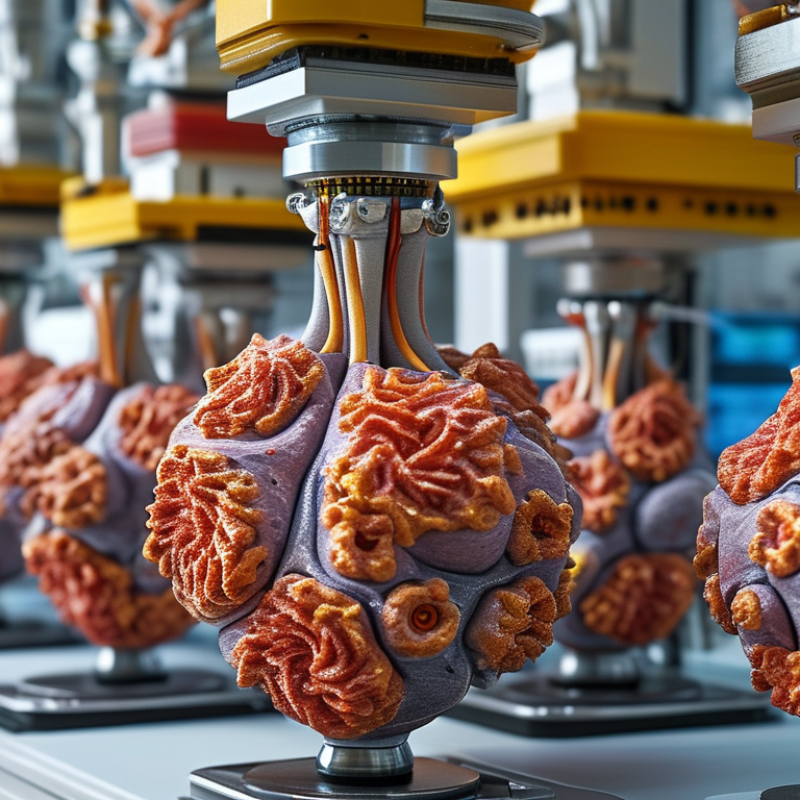
The landscape of organ development has transformed thanks to recent advancements in 3D bioprinting technologies. Researchers are now able to print tissues layer by layer, creating structures that closely mimic natural organs. This process utilizes biocompatible materials known as bioinks. These bioinks can include living cells, which contribute to the functionality of the printed tissue. The precision of 3D printing allows for complex geometries that traditional methods cannot achieve.

Despite these breakthroughs, challenges remain. Creating vascular networks within bioprinted organs is a significant hurdle. Proper blood flow is critical for the survival of any tissue. Without it, organs cannot thrive after implantation. There is also the question of how closely printed organs can match the functionality of their natural counterparts. The long-term viability of bioprinted tissues needs comprehensive study. Researchers must assess how these tissues react in a real biological environment.

Innovative solutions are emerging. Scientists are experimenting with new techniques, such as using stem cells to enhance tissue regeneration. They are also investigating the integration of nanomaterials into bioinks. Though these advancements show promise, the field is still in its infancy. Continuous research and collaboration will be essential in tackling these persistent challenges and improving the reliability of bioprinted organs for future medical applications.
Recent Advances in Bioprinted Organ Development

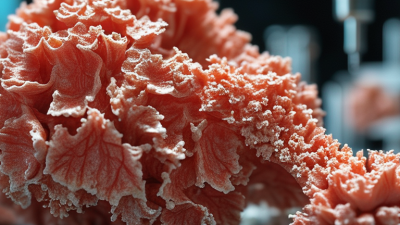
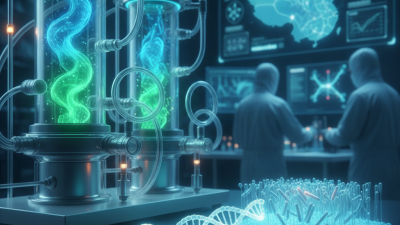
This chart illustrates the advancements in various bioprinting technologies for organ creation over recent years.

Current Materials Used in Bioprinting for Tissue Regeneration

Bioprinting has revolutionized the field of tissue regeneration. The materials used in this process play a crucial role in the success of organ development. One common material is hydrogels. These are often derived from natural sources like alginate or gelatin. They provide a supportive framework for cells to grow.

Another significant material is bioink. Bioinks are formulated to mimic the properties of native tissues. They often contain a blend of cells, growth factors, and biomaterials. This combination enhances cellular behavior and promotes tissue integration. While there are many advancements, challenges remain. The mechanical properties might not fully replicate those of human tissue.

Researchers are exploring new materials, including decellularized extracellular matrix (dECM). dECM retains the biochemical cues necessary for cell survival and function. It's a promising avenue but carries complexities related to sourcing and processing. The bioprinting field is evolving rapidly, but the quest for ideal materials continues. Each innovation brings us closer to functional organ development. Yet, the path forward requires careful consideration and ongoing refinement.

Significant Challenges in Bioprinting Functional Organs

Bioprinting holds great promise for organ development but faces significant challenges. Creating functional organs involves intricate processes. The human body's complexity makes replication difficult. Current technologies struggle to recreate the exact cellular environment found in real organs.

Vascularization is one of the major hurdles. Organs need blood vessels to survive and function. Without proper vascular systems, bioprinted organs cannot receive nutrients or oxygen. This limitation hampers the long-term viability of printed constructs. Researchers are exploring various methods to incorporate vascular networks effectively. Yet, successful implementation remains elusive.

Another critical issue is tissue compatibility. Bioprinted organs must integrate with the recipient’s immune system. Transplant rejection poses a serious risk. Each person's immune response is unique, complicating the process. Researchers need to find better ways to ensure that printed tissues will be accepted. This requires advanced knowledge of immunology and materials science. Progress is being made, but many questions remain unanswered.

Ethical Considerations in Bioprinted Organ Development

Bioprinted organ development represents a revolutionary approach to medicine. However, ethical considerations are paramount. The prospect of printing organs raises questions about our humanity. Will we treat bioprinted organs differently from naturally grown ones? This tension complicates the progress of bioprinting technologies.


Engaging with public opinion is crucial. Many people fear that bioprinting might lead to the commodification of life. We must address these concerns transparently. Open discussions can foster trust. It's essential to involve various stakeholders, including ethicists, patients, and communities.


Consider the implications of bioprinted organs on transplantation. If these organs become widely available, what happens to waiting lists? Will we inadvertently create inequalities? These questions demand thorough exploration. Understanding both the advantages and challenges can guide responsible development. Ethical frameworks should adapt alongside technological advancements.

Future Prospects and Innovations in Organ Bioprinting

Recent advancements in organ bioprinting are generating excitement in the medical community. Researchers are now capable of creating complex tissue structures that mimic real organs. This work is promising for patients awaiting transplants. By utilizing living cells, scientists aim to develop organs that function similarly to their biological counterparts.

Innovative techniques are emerging in bioprinting. One approach involves using new bioinks tailored for specific tissue types. Polymeric materials enhance the structural integrity of printed organs. These advancements may lead to successful integration with the human body. However, challenges remain. For example, achieving the right blood supply for bioprinted organs is still a significant hurdle.

Ethical considerations also need to be examined. As we enhance our bioprinting technology, concerns regarding organ viability arise. Some experts question how close we should get to creating fully functional human organs. These reflections are essential as we navigate the complexities of this rapidly developing field. Continuous dialogue among researchers, ethicists, and the public is necessary for responsible progress.