What Are the Best Biofabrication Techniques in China?
Biofabrication techniques in China span several distinct approaches, from extrusion-based 3D bioprinting to electrospinning and microfluidic tissue models. Each solves a different problem. Extrusion systems can deposit cell-containing bioinks through fine nozzles, while electrospinning creates delicate fibers that resemble parts of the body’s extracellular matrix. Laser-assisted printing and light-based methods offer other ways to control placement and shape. None is best for every application.
China’s research landscape includes university laboratories, hospitals, and technology companies, but capabilities and access vary. A useful comparison should look beyond impressive photographs of printed tissues. It should ask how well cells survive, whether structures remain stable, how results are validated, and whether another laboratory can reproduce them. Small details matter: nozzle diameter, ink viscosity, printing temperature, and the time cells spend outside controlled conditions can all affect results. That matters.
This overview examines leading methods by their practical strengths, current limitations, and suitability for research or early-stage clinical development. It also considers how published evidence, safety testing, and transparent reporting support reliable claims. Some technologies are promising but still difficult to scale; others produce useful models without creating implant-ready tissue. The distinction is easy to overlook. China’s biofabrication field is advancing, yet no single technique deserves a blanket “best” label. The better choice depends on the tissue, the research question, and the quality of the evidence behind each result.
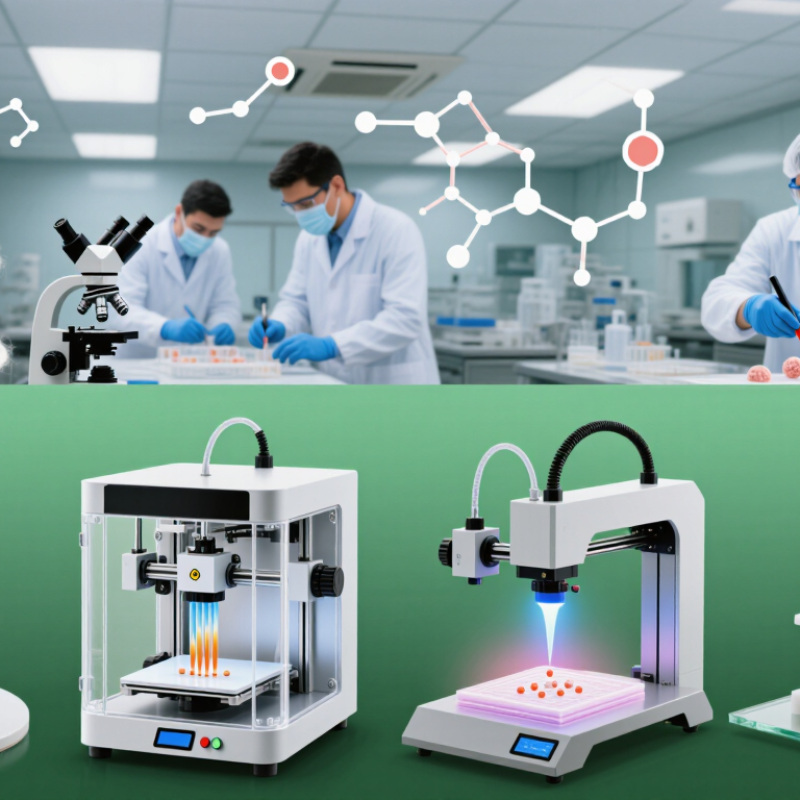
What Biofabrication Means and How It Is Practiced in China
Biofabrication uses living cells, biomaterials, and controlled processes to build or support tissue-like structures. It is not simply printing a shape. Cells need suitable nutrients, temperature, and gentle handling to remain viable. The details matter.
In China, research teams practice biofabrication in universities, hospitals, and specialized laboratories. Common approaches include 3D bioprinting, electrospinning, and scaffold fabrication. A printed hydrogel may hold cells in a pattern, while a porous scaffold can give them room to attach and grow. Researchers may also study decellularized tissue materials, which retain structural features after cells are removed. These methods serve different purposes; no single technique fits every tissue.
A typical experiment involves choosing a material, preparing cells, shaping a construct, and monitoring it in culture. Staff check factors such as cell survival, structure, and contamination. Moving from a small laboratory sample to a reliable, larger construct remains difficult. Results can vary with cell source, material composition, and printing conditions. Some prototypes look convincing but function unevenly. That gap deserves more attention, and published findings should be read with care rather than treated as proof of clinical readiness.
Which Biofabrication Techniques Are Used in China?
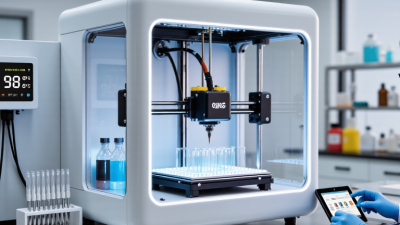
China’s biofabrication work uses several methods, chosen according to the tissue being modeled and the cells involved. Extrusion-based bioprinting is common in research because it can place cell-rich hydrogel inks in defined patterns. Researchers tune nozzle size, pressure, and printing speed to limit cell damage. The trade-off is familiar: thicker structures can be harder to keep supplied with oxygen and nutrients.
Inkjet and light-based printing offer other options. Inkjet systems deposit small droplets, while digital light processing and stereolithography shape photosensitive materials layer by layer. Laser-assisted printing can position cells with high precision, but equipment and material constraints matter. Electrospinning also appears in scaffold fabrication, producing fine fibers that resemble parts of the body’s extracellular matrix. These techniques are often combined with organoids, microfluidic chips, or decellularized tissue materials. Not one universal recipe.
China’s laboratories generally select a method based on the target: extrusion for larger soft constructs, light-based printing for detailed geometries, and electrospinning for fibrous scaffolds. Grand View Research estimated the global 3D bioprinting market at about US$1.4 billion in 2023, with projected growth through 2030. That market figure covers multiple uses and does not show China’s technique-by-technique adoption. It is useful context, not proof that printed tissues are ready for transplantation. A printed shape can look convincing. Function still needs careful testing.
Materials and Bioinks That Support These Techniques
Bioinks That Make Biofabrication Work
In China, biofabrication outcomes depend on matching materials to the printing method. Extrusion systems can handle viscous alginate or gelatin-based hydrogels, which help retain shape after deposition. However, alginate alone may offer limited support for cell attachment. Collagen, hyaluronic acid, and decellularized extracellular matrix can provide more biologically relevant environments, but their batch variation and handling requirements need careful control. Light-based printing calls for photo-crosslinkable bioinks, such as GelMA, and controlled light exposure to protect embedded cells. There is no perfect recipe, and that is easy to forget.
Tip: Test printability, crosslinking, and cell viability together. A clean filament is not proof of a healthy construct. Small details matter.
Grand View Research estimated the global bioinks market at USD 1.6 billion in 2023, forecasting 13.2% annual growth from 2024 to 2030. This signals rising interest, not a guarantee that every formulation is ready for clinical use. For Chinese research teams, practical screening can start with viscosity, nozzle pressure, gelation time, and post-print cell survival. Record temperature and crosslinking conditions; even small changes can affect shape fidelity. A weak point remains: published results often use different test methods, making comparisons difficult. The best material is the one that performs consistently in the intended process.
Biofabrication Techniques and Bioinks Used in China
Representative feature-size ranges reported for common biofabrication approaches
Feature sizes are approximate literature-reported ranges in micrometers and vary with the printer, process settings, and bioink. Extrusion commonly uses alginate, gelatin, collagen, or cell-laden hydrogel blends; inkjet approaches require relatively low-viscosity formulations; laser-assisted printing can handle cell-laden hydrogels; and vat photopolymerization commonly uses light-curable materials such as GelMA or PEG-based hydrogels. No single technique is best for every application.
How Chinese Researchers and Industries Apply Biofabrication
In China, researchers and industry teams apply biofabrication to build tissue models, test materials, and explore regenerative medicine. Their toolkit includes 3D bioprinting, electrospinning, and scaffold production. In a typical printing workflow, a nozzle deposits cell-containing hydrogel layer by layer. Temperature, pressure, and ink thickness all matter. Small changes can affect cell survival. The details matter.
Research groups often use these methods to create models of skin, cartilage, or blood vessels. These models may help study how cells respond to drugs or mechanical stress. Industrial teams focus on repeatable production, sterile handling, and reliable measurements. They may compare printed samples under a microscope, checking pore shape, cell distribution, and structural strength. Hospital researchers can also help identify practical needs, though translating those needs into a manufacturable design takes time.
A promising sample is not a proven treatment. Results from a small laboratory setup may not transfer neatly to larger batches. That gap deserves more attention. Materials can vary, cells behave differently, and long-term performance remains difficult to predict. Careful reporting of methods and limitations helps other teams judge what works, and what still needs testing.
How to Compare Techniques, Challenges, and Emerging Directions
What Are the Best Biofabrication Techniques in China?
How to Compare Techniques, Challenges, and Emerging Directions
In China, biofabrication choices depend on the tissue target, available biomaterials, and required production scale. Extrusion printing handles thick, cell-rich bioinks and complex shapes, but can stress cells through narrow nozzles. Inkjet systems are faster for small droplets, though their material range and viscosity tolerance are limited. Laser-assisted printing offers fine placement without a nozzle, but equipment costs and setup complexity can rise. Digital light processing creates detailed structures quickly, yet light exposure and resin chemistry need careful control. Trade-offs matter.
Grand View Research estimated the global 3D bioprinting market at about US$1.3 billion in 2023, with continued growth projected. This is a market estimate, not evidence that printed tissues are ready for routine clinical use. In Chinese laboratories, comparisons should include cell survival after printing, feature accuracy, batch consistency, and access to suitable bioinks. Also test whether constructs retain shape in culture. A sharp image is not enough. Vascularization, long-term function, and reproducibility remain difficult, while emerging hybrid methods combine printing with microfluidics or maturation in bioreactors. Real tissues are messy.
Tips: Compare methods using the same cell type and bioink, then measure viability and shape after several days. Record nozzle size, pressure, temperature, and light exposure. Small protocol differences can change results.