Top 5 Benefits of Recombinant Human Collagen Technology?
In the rapidly evolving field of regenerative medicine, recombinant human collagen technology stands out as a revolutionary advancement. Dr. Emily Carter, a leading expert in tissue engineering, states, "The potential of recombinant human collagen technology to transform healing processes is profound." This technology offers innovative solutions for skin repair and tissue regeneration, marking a significant shift in treatment paradigms.
The benefits of recombinant human collagen technology are numerous. First, it provides a highly biocompatible material for medical applications. This enhances healing and reduces the risk of adverse reactions. Additionally, it allows for the customization of collagen structures tailored to individual patient needs, increasing the efficacy of treatments.
Despite its potential, challenges remain. Researchers are still exploring optimization methods for production and stability. As with any emerging technology, ongoing studies aim to address these gaps. Understanding the full scope of recombinant human collagen technology's impact is key to maximizing its benefits in clinical practice.
What is Recombinant Human Collagen Technology?
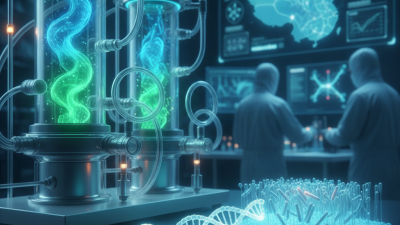
Recombinant human collagen technology involves producing collagen using genetically modified microorganisms. This process harnesses the power of DNA technology to create collagen that is structurally similar to human collagen. The result is a high-purity product that can be used in various medical and cosmetic applications. This innovative method avoids the ethical concerns related to animal sourcing and carries a lower risk of contamination.
The characteristics of recombinant collagen are impressive. It is bio-compatible, which means it integrates well with human tissue. This property makes it an ideal choice for use in wound healing and tissue engineering. The technology allows for large-scale production, ensuring a consistent supply. Additionally, it enables modifications to enhance its properties further, adapting it to specific applications. However, the research surrounding recombinant collagen is still evolving, revealing both the potential and limitations of this technology.
Challenges remain in achieving the desired mechanical properties of collagen. While some applications benefit greatly from this technology, others may not see the same results. Scientists continue to explore how to optimize production processes and improve the performance of recombinant collagen in various contexts. The path ahead is promising, but it requires continuous research and development to fully realize its potential.
How Recombinant Collagen Benefits Skin Health and Aesthetics
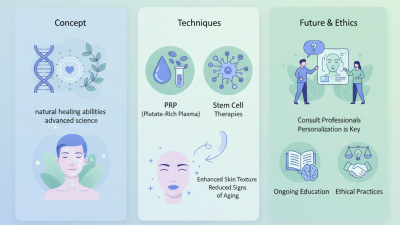
Recombinant human collagen technology has transformed the landscape of skin health and aesthetics. This innovative approach generates collagen that closely mimics the natural structure found in human skin. As a result, it offers numerous benefits for skin rejuvenation. One key advantage is increased hydration. Recombinant collagen binds moisture effectively, promoting skin elasticity and suppleness.
Additionally, this technology enhances the skin’s natural repair processes. When applied topically or injected, it stimulates collagen production in dermal cells. This leads to improved skin texture and reduced signs of aging. Users may notice fewer wrinkles and more defined contours. However, while results can be promising, not everyone experiences the same level of improvement. Individual responses can vary based on skin type and genetics.
Another noteworthy benefit is safety. Recombinant collagen is typically well-tolerated and carries a lower risk of allergic reactions compared to animal-derived options. This makes it a more reliable choice for individuals with sensitive skin. Still, some users may face challenges during the adjustment period, as the skin adapts to increased collagen levels. It’s essential to consult with a professional to ensure optimal outcomes and to reflect on personal skincare goals.
The Role of Recombinant Collagen in Joint and Bone Repair
Recombinant collagen technology presents exciting possibilities for joint and bone repair. This innovative approach creates collagen proteins that mimic the natural structure of human collagen. By using recombinant DNA technology, scientists can produce collagen more reliably and consistently. The result is a material that supports healing in a way that traditional collagen sources often cannot.
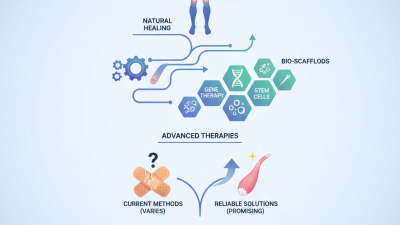
When injuries occur, the body's natural repair processes can sometimes be inadequate. Recombinant collagen provides a scaffold that encourages new tissue formation. This scaffold supports cell migration and proliferation. Patients recovering from joint surgeries can benefit significantly from this technology. Studies show reduced recovery times and improved functionality after treatment involving recombinant collagen.
Despite its potential, the use of recombinant collagen is still in the developmental stages. Researchers are continuously evaluating its long-term effectiveness. There are questions about how this technology integrates with various types of tissue. Filling these gaps in knowledge is essential. Continued research is necessary to ensure that recombinant collagen can be a staple in regenerative medicine.
Advantages of Recombinant Collagen Over Traditional Sources
Recombinant human collagen technology has revolutionized the field of biomaterials. It offers a refined approach compared to traditional sources like animal-derived collagen. One significant advantage is the ability to produce collagen that is more consistent in quality. This consistency is crucial for applications in medical and cosmetic fields where precision matters.
Additionally, recombinant collagen eliminates the risk of zoonotic diseases. Traditional sources can harbor contaminants, posing health risks. This safety aspect is not only beneficial for patients but also for manufacturers who need to meet stringent regulatory standards. Moreover, recombinant methods allow for the customization of collagen properties. This flexibility enables the creation of products tailored to specific needs.
However, there are challenges with recombinant collagen. The production process can be complex and costly. Some researchers debate the long-term stability of these engineered proteins. Questions around bioactivity and integration into human tissue remain. While the technology holds promise, ongoing research is needed to address these concerns effectively.
Future Prospects and Innovations in Recombinant Collagen Applications
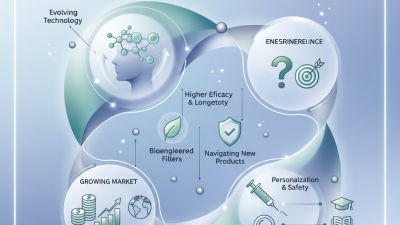
Recombinant human collagen technology is showing great promise for future applications in various fields. The potential to create a collagen that mimics human structure opens doors in medicine and cosmetics. Researchers are exploring ways to use this technology in tissue engineering and regenerative medicine. It's an exciting era where collagen could lead to safer and more effective treatments.
New innovations in recombinant collagen could enhance its biocompatibility. Scientists are working on tailoring collagen properties to improve healing processes in wounds and surgeries. With precise control over the collagen’s molecular structure, the possibilities are vast. This could lead to breakthroughs in treating conditions like osteoarthritis, where collagen degeneration is a major issue.
Challenges remain in scaling production while maintaining quality. Ethical considerations also arise regarding the sourcing of recombinant materials. As this field advances, ongoing discussions about its implications will be crucial. Ensuring safety and efficacy must remain a top priority. Through these efforts, the full potential of recombinant human collagen can be realized, impacting health and beauty industries alike.
Top 5 Benefits of Recombinant Human Collagen Technology