2026 Best Plant Based Collagen Production Solutions?
The search for better collagen is moving beyond livestock. In 2026, plant based collagen production may reshape beauty, nutrition, and biomaterials. However, “plant-based collagen” needs careful explanation. Plants do not naturally produce human collagen. Instead, researchers use yeast, bacteria, or plant-derived inputs to create collagen-like peptides or recombinant collagen.
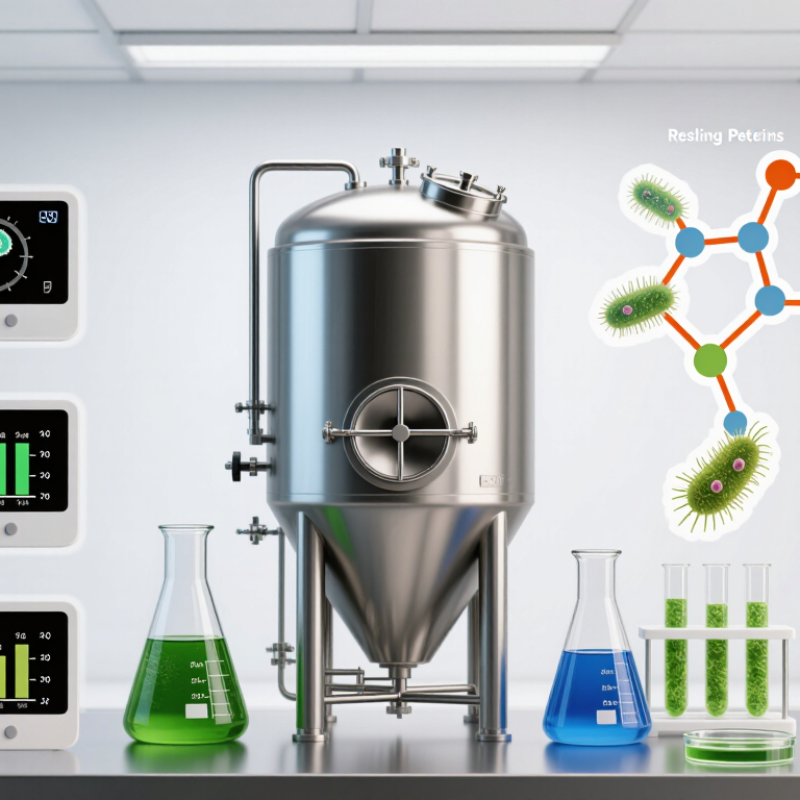
Alexander Lorestani, co-founder and former CEO of Geltor, described this direction clearly: “Biology is the best manufacturing platform in the world.” His statement captures the field’s central idea. Controlled fermentation can produce consistent ingredients inside stainless-steel tanks, rather than relying on animal hides or bones. Temperature, pH, oxygen levels, and purification steps all influence the final material. Small changes matter.
The best production solution is not automatically the newest one. It should combine scientific evidence, traceable raw materials, strong quality controls, and transparent labeling. Independent testing should confirm identity, purity, microbial safety, and functional performance. Clinical claims also require human evidence, not only laboratory results. Some products may support collagen-related pathways without containing collagen itself. That distinction can confuse buyers.
This article examines scalable platforms, fermentation systems, enzymatic processing, and quality benchmarks for plant based collagen production. It also considers energy use, water demand, cost, and formulation stability. The industry remains promising, but not perfect. Several claims still need stronger independent research. That uncertainty deserves attention, not marketing gloss.
What Is Plant-Based Collagen and How Does It Work?
What Is Plant-Based Collagen and How Does It Work?
Plant-based collagen is not collagen extracted from plants. Plants do not naturally produce collagen. The term usually describes botanical ingredients that support the body’s own collagen production. These may include vitamin C, amino-acid-rich proteins, minerals, and antioxidant compounds.
Another approach uses precision fermentation. Microorganisms produce collagen-like proteins or specific collagen peptides without animal tissue. The material is then purified and tested for identity, purity, and digestibility. It is a developing field. Some products still use “collagen” too loosely.
The mechanism is indirect. Vitamin C helps normal collagen formation, according to the NIH Office of Dietary Supplements. Adult daily recommendations are 75 milligrams for women and 90 milligrams for men. Smokers need an additional 35 milligrams daily. That does not prove a supplement will erase wrinkles.
Evidence remains uneven.
A 2024 market analysis by Grand View Research estimated the global collagen market at approximately 9.1 billion US dollars in 2023. It projected a compound annual growth rate near 7.8% through 2030. This growth reflects demand for beauty, nutrition, and alternative protein solutions. It does not confirm clinical effectiveness.
In practical production, reliable solutions should document strain selection, fermentation controls, peptide size, allergen testing, and batch consistency. Botanical blends also need human studies, not only laboratory antioxidant results. The label remains confusing. “Plant-based” may describe the supporting ingredients, while the functional protein comes from fermentation. That distinction matters.
Key Ingredients Used in Plant-Based Collagen Production
2026 Best Plant Based Collagen Production Solutions?
Plant-based collagen production begins with an important distinction. Plants do not naturally provide animal collagen. Instead, formulas often combine nutrients that support the body’s own collagen synthesis. This difference should remain clear on every product specification and technical sheet.
Vitamin C is a core ingredient because it supports normal collagen formation. Citrus-derived ascorbic acid, acerola, and amla can provide practical options. Pea and rice proteins add amino acids, including proline and glycine precursors. Some formulas also use lysine-rich plant proteins. Zinc and copper may support connective tissue maintenance, but their levels require careful control. More is not automatically better.
Texture matters in real production. Pea protein can create a chalky finish, while rice protein may feel dry on the tongue. Fine milling, controlled hydration, and gentle blending can improve the experience. A small amount of natural flavor may reduce earthy notes. Fermentation can also improve solubility, though results vary between batches. We should not treat every botanical extract as a proven collagen solution. Evidence remains uneven. Testing should examine ingredient identity, heavy metals, microbial quality, stability, and nutrient content. A transparent formula states what it supports, not what it cannot become. I still see this distinction overlooked. That is a serious weakness.
2026 Best Plant-Based Collagen Production Solutions: Key Ingredients Used in Plant-Based Collagen Production
Plant-based products do not contain animal collagen. Instead, collagen-support formulations commonly combine plant proteins or amino-acid sources with nutrients involved in normal collagen formation and connective-tissue maintenance. The chart uses the U.S. FDA adult Daily Values as reference points for selected micronutrients; these values are not a universal production formula.
Reference values: Vitamin C 90 mg, Iron 18 mg, Zinc 11 mg, Copper 0.9 mg, Manganese 2.3 mg, and Selenium 0.055 mg per day. Source: U.S. Food and Drug Administration, Daily Value guidance for adults and children aged 4 years and older.
How to Evaluate the Best Plant-Based Collagen Solution in 2026
How to Evaluate the Best Plant-Based Collagen Solution in 2026
Evaluating plant-based collagen requires careful language and realistic expectations. Plants do not naturally produce animal collagen. Most vegan formulas provide amino acids, peptides, or nutrients that support the body’s collagen-building process. In 2026, I would check the complete ingredient profile before trusting front-label claims. Look for vitamin C, zinc, copper, and clearly stated protein sources. Exact quantities matter more than attractive packaging.
Evidence should guide the decision. Review human studies, not only laboratory results or testimonials. Check whether the research matches the product’s serving size. A transparent manufacturer should provide batch testing, allergen controls, heavy metal screening, and a certificate of analysis. Fermentation-based ingredients may offer strong traceability, but the production method still needs independent verification. “Plant-based” does not automatically mean effective, clean, or suitable for everyone.
I would also examine texture, taste, storage stability, and daily convenience. A powder that clumps in cold water may be difficult to use consistently. A capsule may offer less flexibility with dosing. The best choice depends on dietary needs, budget, evidence quality, and tolerance. Claims about visible skin changes should remain modest. Results can vary with age, protein intake, sleep, sun exposure, and overall nutrition. I would not treat a premium price as proof of superior performance. Clean labels help, but they do not answer every scientific question.