
Global dental buyers face a crowded market, where polished brochures can hide practical limitations. Dental Equipment Tools must support clinical accuracy, patient safety, workflow efficiency, and long-term service. A low price may look attractive, but unavailable spare parts can stop a clinic for weeks.
Dr. Gordon J. Christensen, a respected prosthodontist and dental materials researcher, has often stated, “Diagnosis is the key to successful dentistry.” His observation remains highly relevant when selecting equipment. Intraoral scanners, digital X-ray systems, dental chairs, handpieces, curing lights, ultrasonic scalers, and sterilization units should match the clinic’s diagnostic needs. The right tool is not always the newest one.
Details matter. Buyers should check voltage compatibility, warranty terms, sterilization requirements, software integration, and local technical support. An autoclave needs reliable cycle control. A handpiece needs balanced torque and accessible maintenance. An imaging sensor should produce clear results without creating complicated workflows.
Experience also changes purchasing decisions. A busy clinic may value fast cleaning cycles more than advanced features. A rural practice may prioritize durable construction and simple repairs. These differences are easy to overlook.
No buying guide is flawless. Product specifications may change, and supplier promises require verification. Buyers should request demonstrations, inspect certificates, and speak with current users before placing large orders. Careful comparison reduces avoidable costs and protects patient care.
This guide examines the top Dental Equipment Tools for global buyers. It focuses on clinical value, dependable performance, regulatory awareness, and realistic ownership costs. The best choice is rarely the most impressive machine. It is the one that works safely, consistently, and responsibly every day.
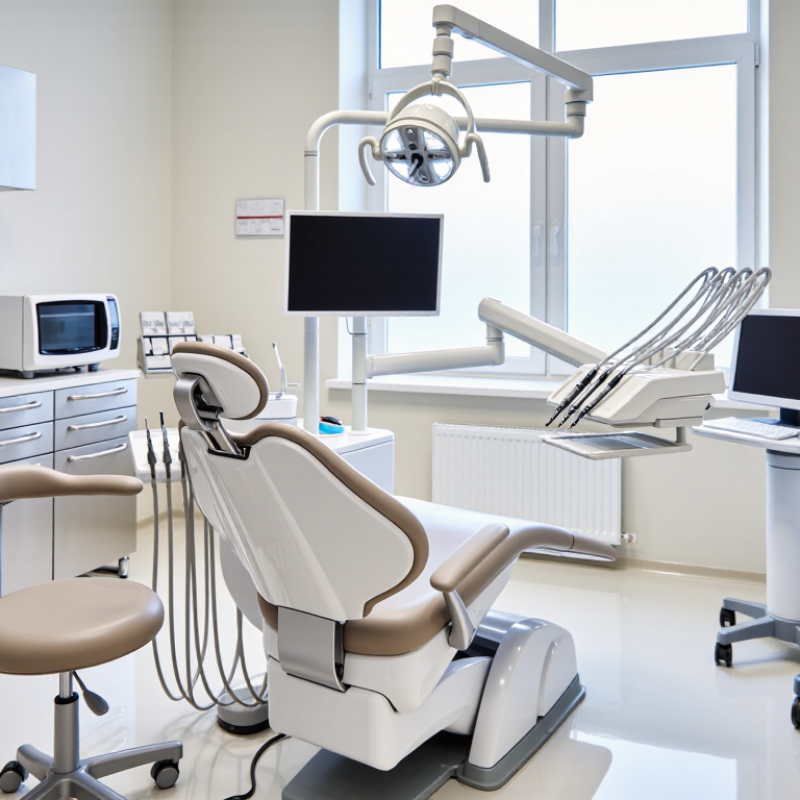
Global buyers should evaluate dental equipment by clinical purpose, not appearance or price alone. Diagnostic tools include intraoral cameras, digital radiography systems, and caries detection devices. They help clinicians inspect hidden decay, bone changes, and fractured restorations. A clear image can prevent unnecessary treatment. However, image quality depends on sensor performance, staff training, and correct positioning.
Treatment equipment covers dental units, electric handpieces, curing lights, and ultrasonic scalers. Dental units support examinations and restorative procedures with controlled water and air delivery. Handpieces remove decay and shape teeth with precise rotation. Curing lights harden restorative materials within seconds. Scalers remove deposits around the gumline, where small details matter. Surgical equipment, such as extraction instruments and implant motors, requires stronger infection-control routines and careful maintenance. No category works perfectly without reliable sterilization.
Tips:
Match each tool to local workflows, water quality, power supply, and available technical support. Check electrical safety documents, sterilization compatibility, warranty terms, and operator training before purchasing. Ask whether replacement parts can arrive within a practical timeframe. A low purchase price may become expensive after repeated repairs. Buyers should also confirm that equipment meets applicable medical-device requirements in the destination market. Needs can change after installation, so leave room for staff feedback and workflow adjustments.
For global buyers, dental equipment should follow the clinical sequence: detect, treat, and protect. Diagnosis starts with dental mirrors, explorers, periodontal probes, intraoral radiography, and reliable illumination. Digital sensors can reduce repeat exposures when positioning is controlled. Training still matters. The WHO Global Oral Health Status Report (2022) estimates that oral diseases affect nearly 3.5 billion people worldwide. That scale demands durable tools, simple maintenance, and clear calibration records. A caries detector can support judgment, but it cannot replace it. Keep that limitation visible.
Treatment requires high-speed and low-speed handpieces, managed dental-unit waterlines, suction, curing lights, endodontic files, and restorative instruments. Selection depends on electricity, water quality, repair access, and clinician skill. Spare parts matter. Purchase price alone is misleading. Buyers should request sterilization compatibility, service intervals, operating temperatures, and documented performance tests. Infection control needs more than gloves. Essential tools include a steam sterilizer, ultrasonic cleaner, instrument pouches, chemical indicators, biological monitoring, surface barriers, sharps containers, and dedicated hand-hygiene facilities. The CDC’s Summary of Infection Prevention Practices in Dental Settings (2016) supports heat sterilization for critical and heat-tolerant semicritical instruments. The WHO/UNICEF Joint Monitoring Programme reported in 2023 that about one in five healthcare facilities lacked basic water services in 2022. That finding should change procurement decisions. A sophisticated sterilizer is ineffective without safe water, trained staff, and routine records. The weak point is often workflow, not equipment. Some purchasing checklists remain too optimistic.
What Are the Top Dental Equipment Tools for Global Buyers?
Quality begins with evidence, not polished brochures. The World Health Organization’s Global Oral Health Status Report 2022 estimates that nearly 3.5 billion people live with oral diseases. This scale demands reliable tools, especially in busy clinics with limited maintenance support. Buyers should request batch traceability, calibration records, material specifications, and documented quality controls. ISO 13485 certification can indicate a structured medical-device quality system, but certification alone does not prove excellent daily performance.
Safety requires practical verification. Check electrical protection against IEC 60601-1, risk controls aligned with ISO 14971, and validated cleaning or sterilization instructions. Ask whether handpieces, curing lights, imaging systems, and ultrasonic scalers remain safe after repeated cycles. Measure heat, vibration, noise, leakage current, water flow, and operating time under realistic loads. The International Electrotechnical Commission stresses that medical electrical equipment needs systematic risk control, not only final inspection. Local regulatory approval still matters.
Technical claims deserve careful questioning. A light’s advertised intensity may change with distance, battery level, or a damaged optical lens. Imaging dose figures may exclude important operating conditions. No checklist is perfect. Request independent laboratory results, service intervals, spare-part availability, software support, and complaint or recall history. OECD Health Statistics also shows wide differences in healthcare resources across countries, so a device designed for one setting may perform poorly elsewhere. Test samples in your own workflow before placing a large order.
A practical procurement benchmark based on commonly used quality, safety, and technical-performance requirements.
The benchmark uses a 100-point evaluation model: quality and durability 35%, safety and infection control 35%, and technical performance 30%. Steam autoclaves and dental handpieces require especially careful review of sterilization compatibility, operating stability, maintenance access, and compliance with applicable medical-device regulations.
Global buyers should evaluate dental equipment through compliance, not appearance alone. Common tools include dental chairs, sterilizers, curing lights, handpieces, intraoral scanners, and imaging systems. The WHO Global Oral Health Status Report 2022 estimates that nearly 3.5 billion people live with oral diseases. That scale increases demand, but it also raises safety expectations across markets.
A reliable purchasing file should include ISO 13485 certification, electrical safety evidence under IEC 60601-1, risk-management records, and instructions in the destination language. Sterilizers need validated cycle data, while imaging equipment may require radiation-safety documentation. In the European Union, buyers should check Medical Device Regulation requirements, conformity assessment, technical files, and importer responsibilities. In the United States, the applicable FDA pathway may include 510(k) clearance, depending on device classification. Requirements differ by product.
Import planning is less tidy than many catalogs suggest. Customs codes, declared values, labeling, insurance, and authorized local representation can delay delivery. Some paperwork still gets missed. The International Trade Centre’s Trade Map data shows substantial cross-border trade in medical and dental instruments, but trade volume does not prove compliance. Buyers should request certificates directly, verify scope and expiry dates, and compare serial numbers with shipping documents. A practical inspection checklist can prevent costly surprises, although it cannot replace advice from a qualified regulatory professional.
Choosing a dental equipment supplier requires more than comparing prices. Start by listing your clinic’s procedures, room size, patient volume, and technical requirements. A dental chair, sterilizer, imaging system, compressor, and handpieces may need different support levels. Ask suppliers for complete specifications, operating manuals, material details, and product testing records. Check whether the equipment meets your destination’s medical-device requirements.
Review the supplier’s manufacturing experience and quality controls. Request factory photos, inspection reports, sample documents, and references from similar clinics. Confirm installation support, operator training, spare-part availability, and warranty terms in writing. Ask how quickly they handle a failed control panel or noisy compressor. Real service matters. A low price becomes expensive when treatment stops. I have learned that attractive brochures often hide practical gaps. One supplier may provide excellent equipment but weak after-sales communication. That risk deserves attention.
Tips:
Build a comparison sheet with price, lead time, warranty, certificates, service response, and replacement-part costs. Ask the same questions to every supplier. Test sample units when possible. Check packaging quality, especially for long-distance shipping. Do not accept certificates without verifying their issuing authority. Also, leave room for doubt: specifications can change, translations can be unclear, and promised delivery dates may slip. A short video call with a technician can reveal more than polished sales language.
We use cookies to show you content that is relevant to you. By clicking “Accept”, you agree to the storing of cookies on your device to enhance site navigation, analyze site usage, and assist in our marketing efforts. Feel free to read more about cookies by clicking "settings"