
When selecting the right Pa6 Pipe for your applications, several critical factors come into play. The material's unique properties, like strength and flexibility, make it ideal for various environments. However, choosing the right PA6 pipe is not always straightforward. Each application has its specific requirements, and understanding these can prevent costly mistakes.
The PA6 pipe offers excellent resistance to chemicals and wear. Its lightweight nature enhances ease of installation and handling. Yet, users should consider the operating temperature and pressure limits. A mismatch could lead to performance issues or failures.
Moreover, the range of available diameters and wall thicknesses can complicate the selection process. It's essential to assess the application’s needs carefully. Extra research or consultation with experts may be necessary. Making an informed choice will enhance the longevity and effectiveness of the PA6 pipe in your projects.
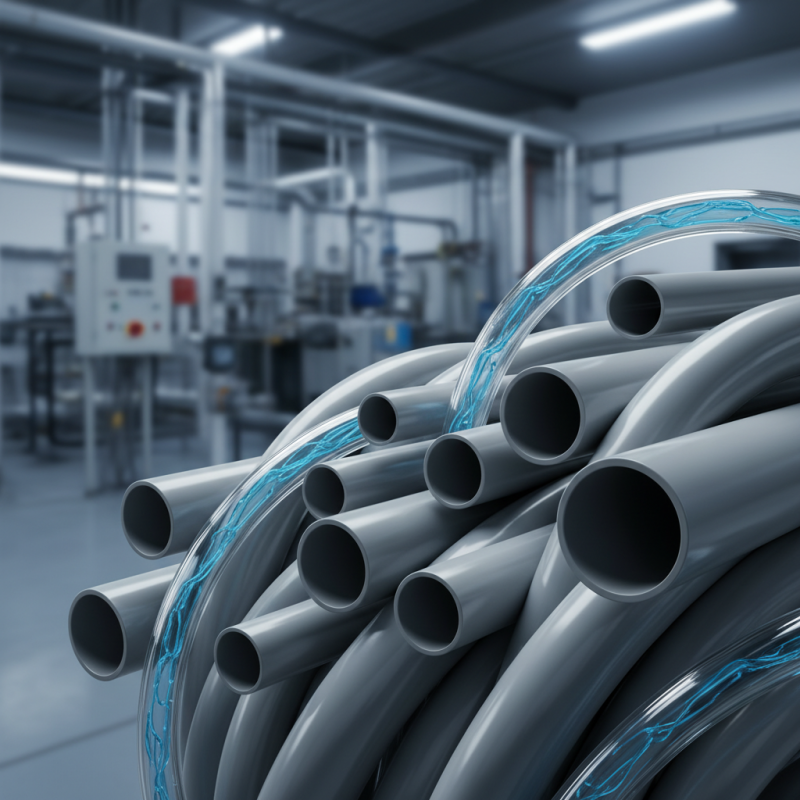
PA6, or polyamide 6, is known for its strength and versatility. When selecting a PA6 pipe, understanding its properties is essential. PA6 exhibits excellent tensile strength and impact resistance. This means it can withstand heavy loads without breaking. Additionally, it has good chemical resistance, making it suitable for various applications in industries like automotive and construction.
However, PA6 is hygroscopic, meaning it absorbs moisture. This property can affect its mechanical performance and dimensional stability. A slight increase in moisture can lead to swelling, altering the pipe's fit in systems. Therefore, it’s crucial to consider the operating environment. For applications exposed to high humidity, using a modified version of PA6 may be beneficial.
Temperature resistance is another factor to consider. PA6 can withstand temperatures up to about 85°C. Beyond this limit, the material may begin to soften, affecting its structural integrity. It’s essential to assess the thermal conditions of your application to prevent potential failures. Understanding these properties helps in making informed decisions when selecting the right PA6 pipe for your needs.
| Property | Value | Importance in Applications |
|---|---|---|
| Density | 1.13 g/cm³ | Lightweight, ideal for reducing overall project weight. |
| Tensile Strength | 75 MPa | Essential for applications requiring durability and resistance to tension forces. |
| Working Temperature | -40°C to 100°C | Wide range, suitable for various environmental conditions. |
| Impact Resistance | Good | Important in applications where the pipe may face sudden shocks or impacts. |
| Chemical Resistance | Moderate | Critical for applications exposed to specific chemicals; always confirm compatibility. |
When selecting PA6 pipes, it’s essential to consider their wide range of applications. PA6, or nylon 6, offers unique benefits. It has excellent mechanical properties and impressive resistance to wear and chemicals. This makes it suitable for industries such as automotive, construction, and consumer goods.
In the automotive sector, over 30% of PA6 is used for components like fuel lines and coolant systems. According to a 2022 market analysis, the demand for lightweight and durable materials in vehicles has surged. This trend emphasizes the need for PA6 as manufacturers look to improve energy efficiency. Furthermore, PA6 pipes are also found in construction applications, where they serve as conduits for hydraulic systems. Their ability to withstand high pressure is critical in such settings.
However, users should be aware of potential shortcomings. PA6 can absorb moisture, impacting dimensional stability. This makes environmental considerations vital in applications. Failure to account for humidity can lead to performance issues over time. Therefore, while PA6 pipes are versatile, it’s necessary to assess the specific conditions of each application carefully.
When selecting a PA6 pipe, size and dimensions play a crucial role in ensuring optimal performance. The diameter of the pipe must match the intended flow rates. For instance, studies indicate that a pipe diameter that is too small can lead to increased pressure drops, resulting in inefficiencies. Conversely, oversized pipes may cause laminar flow issues, undermining overall system reliability.
The wall thickness of the PA6 pipe is equally important. Industry reports suggest that a minimum thickness is essential to withstand internal pressures without rupture. For applications involving chemical exposure, the chemical resistance of the pipe should be considered alongside its size. According to recent data, the failure rate of pipes in high-stress environments can exceed 15% if dimensional specifications are not adhered to properly.
Understanding specific application requirements will inform choices regarding pipe size. It is imperative to not only focus on the nominal dimensions but also consider the tolerances involved. Even minor discrepancies in manufacturing tolerances can lead to significant operational issues. Reflecting on past projects, it’s evident that overlooking these factors can disrupt workflows and increase costs unexpectedly.
When selecting PA6 pipes, it’s essential to consider environmental factors. The environment where the pipe will be used can significantly impact its performance. Factors like temperature, humidity, and exposure to chemicals are crucial. For example, high UV exposure can weaken the pipe material over time. This is particularly important for outdoor applications.
Another consideration is temperature range. PA6 pipes perform well in moderate temperatures but may struggle in extreme conditions. Users should evaluate the specific climate conditions their pipes will face. Additionally, factors like moisture can lead to swelling or degradation. It’s critical to assess these elements early in the decision-making process.
When choosing a PA6 pipe, think about its life cycle. Will it be exposed to harsh chemicals? Regular wear might prompt a need for earlier replacement than expected. Reflecting on these concerns can lead to better long-term solutions. Properly analyzing these environmental factors will ensure a more reliable and durable application.
When evaluating different PA6 pipes, cost-effectiveness plays a critical role. A recent industry report indicates that the price of PA6 can vary significantly based on the manufacturing process and quality. Factors such as the type of filler used, the pipe's dimensions, and the production techniques all influence the end price. For instance, glass-filled PA6 pipes may be approximately 15-20% more expensive than standard options due to enhanced strength and durability.
Additionally, maintenance costs must be considered. While cheaper PA6 pipes might save money upfront, they could require more frequent replacements. A long-term study noted that higher initial costs for premium PA6 variants led to a 30% reduction in overall costs over five years. This finding suggests that investing in quality could ultimately result in greater savings.
Another aspect is performance under extreme conditions. Standard PA6 may perform adequately in many applications, but specialized variants excel in environments with high temperatures or chemical exposure. Understanding these nuances makes a significant difference. Making an informed choice is not always straightforward, and the trade-offs demand careful reflection. Ultimately, balancing initial costs with long-term benefits is key.
We use cookies to show you content that is relevant to you. By clicking “Accept”, you agree to the storing of cookies on your device to enhance site navigation, analyze site usage, and assist in our marketing efforts. Feel free to read more about cookies by clicking "settings"