
Choosing the right Fiber Laser Welding Machine can be challenging. With numerous options available, making a decision may feel overwhelming. However, understanding critical features can guide you through this process.
Fiber laser welding machines are increasingly popular in various industries. Their precision and efficiency set them apart. Many factors influence the best choice for your needs. Consider power, speed, and compatibility with materials.
Quality and reliability are key to successful operations. Additionally, buying from a reputable manufacturer ensures support and parts availability. Reflect on these aspects as you explore your options for a Fiber Laser Welding Machine. Your choice should align with both your technical requirements and budget constraints.
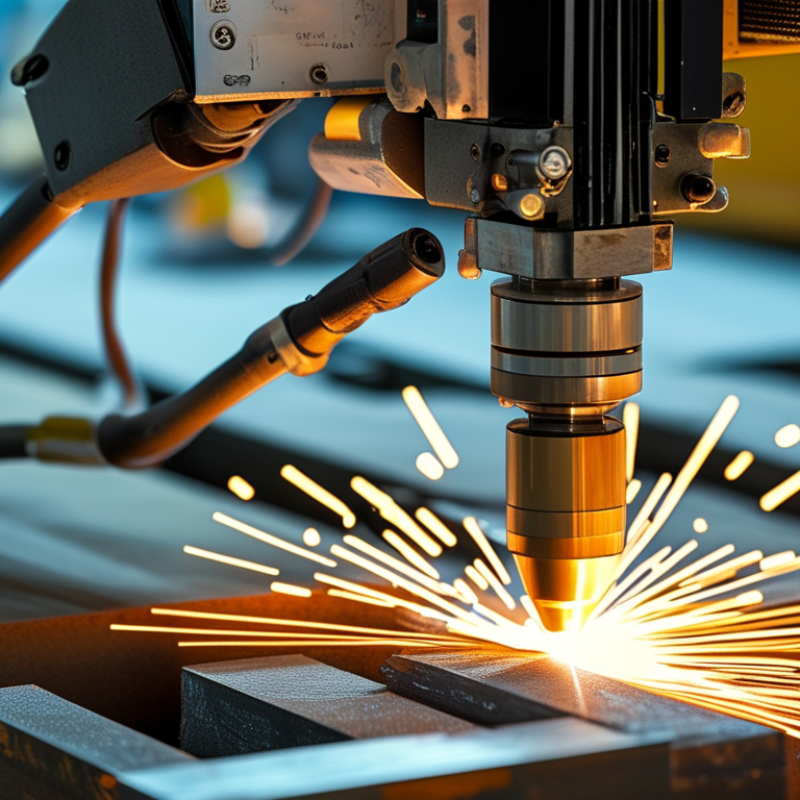
Fiber laser welding machines have gained popularity due to their efficiency and precision. These machines use a fiber optic cable to deliver the laser beam, resulting in a smaller spot size and higher power density. A report by Research and Markets indicated that the global fiber laser market is expected to grow by 11% annually, reaching over $4 billion by 2025. This growth reflects the increasing adoption of advanced welding technologies across industries.
Understanding the operational basics of these machines can guide better purchasing decisions. Fiber lasers typically operate at wavelengths around 1060 nm, which is an optimal range for metal absorption. This leads to cleaner welds and less distortion. The beam quality is a crucial factor impacting welding results. Equipment with a M2 value closer to one provides better performance. However, many practitioners overlook maintenance needs that can impact longevity and reliability.
The technology is advancing, yet challenges remain. Not all materials respond equally well to fiber lasers. For example, reflective materials like copper can be difficult to weld without specialized techniques. Industry experts often emphasize the importance of understanding material compatibility. This ensures better outcomes and minimizes failures during operations. As more businesses explore fiber laser welding, a balanced perspective on technology capabilities and limitations will be essential for optimal investment.
Choosing the right fiber laser welding machine requires careful consideration. One key factor is power output. Machines come in different wattages, and higher power often means faster welding speeds and thicker materials. However, a powerful machine may not be necessary for every task. Think about the specific applications you have in mind.
Another important factor is the machine's versatility. Some fiber laser welders can handle different materials like steel, aluminum, or copper. If your projects vary, look for machines with adjustable settings and features that can adapt to multiple tasks. Don't overlook customer support and availability of parts, as reliable service can make a huge difference in your operational efficiency.
Also, consider the ease of use. Some machines come with complex interfaces and settings that may be overwhelming. Choose a model that strikes a balance between advanced features and user-friendliness. This can save you time in training and operation. Lastly, don’t ignore reviews and experiences from other users. They can provide insights that specifications might not reveal.
Fiber laser welding technology has made significant strides in recent years, offering diverse solutions for various industrial applications. Compared to traditional welding, fiber laser welding is more efficient and precise. According to a report by MarketsandMarkets, the fiber laser welding market is projected to grow from USD 3.92 billion in 2022 to USD 6.84 billion by 2029, highlighting its rising importance in manufacturing.
When comparing different fiber laser welding technologies, consider their efficiency and heat input. For example, continuous wave fiber lasers provide a steady beam and are ideal for thick materials. Pulse fiber lasers, on the other hand, are suitable for thinner materials, offering great control to reduce thermal distortion. Choosing the right technology depends on project specifications, including material types and thickness.
**Tip:** Assess your specific welding needs before making a choice. It’s vital to understand your application's demands. Test different technologies to find the best fit.
Another factor to consider is overall cost-effectiveness. Many companies overlook maintenance costs associated with fiber laser welding machines. Regular upkeep can prevent unexpected breakdowns and ensure consistent performance. If not addressed, these costs can add up, affecting your budget significantly.
**Tip:** Keep an eye on the total cost of ownership. Factor in maintenance, operational costs, and potential downtime when making a decision.
When selecting a fiber laser welding machine, evaluating the manufacturer’s reputation is crucial. Look for companies with a long history of reliable production. A strong track record often indicates quality and expertise. Customer reviews and testimonials can reveal a lot about their performance. Who do other users recommend?
Support services shouldn't be overlooked. A reputable manufacturer will offer robust customer service. Quick responses to queries are essential. Training and technical support are important aspects, too. You want assistance when needed. Sometimes, a great machine may lack good after-sales support.
Consider the experiences of others. Engage with online forums or local user groups. Listening to real users will provide valuable insights. A machine’s success is often linked to the support behind it. Reflect on these factors carefully. They can make or break your experience with the welding machine.
| Criteria | Details |
|---|---|
| Laser Source | Quality and longevity impact welding efficiency and output. |
| Manufacturer Reputation | Research online reviews and industry feedback. |
| Support Services | Evaluate availability of technical support and customer service. |
| Warranty Period | Longer warranty indicates manufacturer confidence. |
| Training & Documentation | Quality training programs for operators and detailed manuals. |
| Customization Options | Ability to tailor the machine to specific needs. |
When choosing a fiber laser welding machine, cost versus performance is critical. Performance is often measured by laser power, speed, and precision. Machines with higher power levels can handle tougher materials. However, the price for these models can be steep. For smaller projects or lighter materials, a less powerful machine may suffice. This balance often leads to challenging decisions.
Consider operational costs as well. Maintenance, energy consumption, and spare parts contribute to long-term expenses. A less expensive model might appear attractive initially but could lead to higher costs down the road. Reflecting on the machine’s operational needs can provide insights into true value.
Another factor to contemplate is the skill level required to operate the machine. Some high-performance models require advanced training. Ensure your team has the necessary expertise. If not, additional training may negate initial savings. Always weigh these aspects against your production requirements and budget constraints.
We use cookies to show you content that is relevant to you. By clicking “Accept”, you agree to the storing of cookies on your device to enhance site navigation, analyze site usage, and assist in our marketing efforts. Feel free to read more about cookies by clicking "settings"