
Why Choose the Best Femoral Inserter for Your Surgical Needs?

When it comes to surgical procedures, choosing the right tools is paramount. The Femoral Inserter stands out as a crucial device in orthopedic surgeries. This tool is designed for precise placement of implants. Surgeons rely on it for accuracy and efficiency, which ultimately influences patient outcomes. Selecting a high-quality Femoral Inserter can significantly affect the success of surgical procedures.

An effective Femoral Inserter enhances the surgeon's ability to perform intricate tasks. It provides durability and precision that are essential during operations. Surgeons often share experiences regarding the differences between various inserters. These insights reveal that not all inserters meet the same standards. Some may lack the reliability required for sensitive procedures, leading to frustration.

Moreover, the landscape of surgical tools is evolving rapidly. Innovations frequently emerge, offering new features and improved designs. However, not every new option is necessarily better. It’s important for surgeons to assess these advancements critically. Experience matters, and seeking input from peers can be invaluable. The right Femoral Inserter can make a significant difference, shaping the surgical experience and patient recovery.
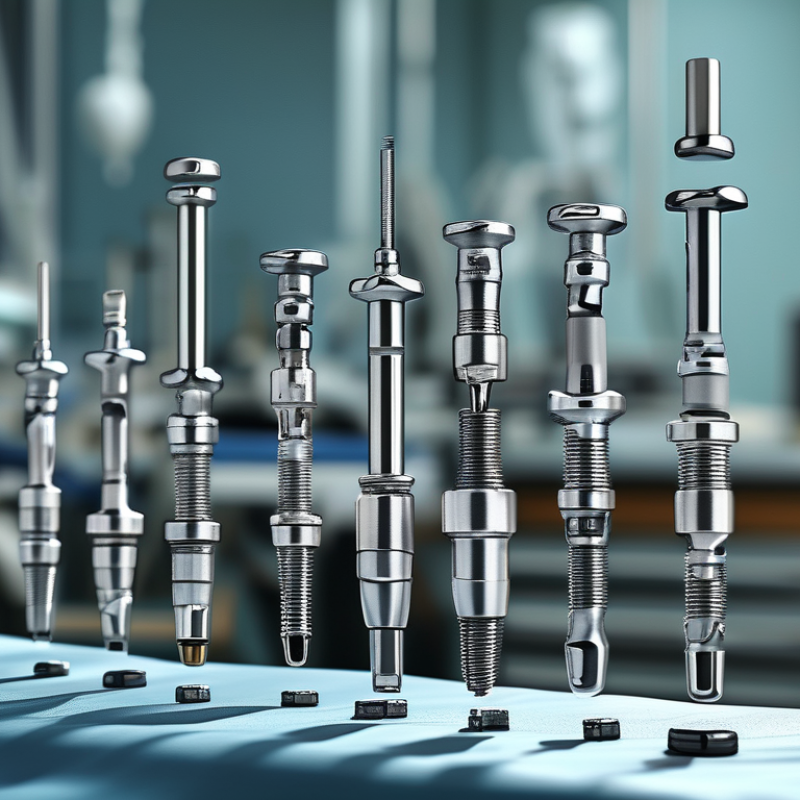
Why Choose the Best Femoral Inserter for Your Surgical Needs?

Understanding Femoral Inserters and Their Role in Surgery

Femoral inserters play a crucial role in orthopedic surgery, particularly in procedures involving total knee and hip arthroplasties. These devices assist surgeons in accurately positioning implants within the femur. A recent study highlighted that precise placement can improve patient outcomes significantly. For instance, studies indicate that misalignment can lead to a 30% increase in implant failure rates, emphasizing the importance of superior surgical tools.

The design of femoral inserters has evolved over the years, influenced by the need for enhanced precision and ease of use. Modern inserters often feature ergonomic designs that allow for better grip and control during surgeries. Data from the Journal of Orthopedic Surgery shows that improved usability has led to a 25% reduction in operation time. However, not all inserters are created equal, and some devices may lead to difficulties in maneuverability. Surgeons must carefully evaluate their tools to mitigate risks associated with suboptimal performance.

Despite advances, challenges remain in the selection of femoral inserters. Variability in surgical techniques and implant designs can complicate the choice of the best inserter. For instance, a recent survey revealed that up to 40% of surgeons reported dissatisfaction with their inserters due to incompatibility issues. This highlights the ongoing need for innovation and feedback from the surgical community to enhance the effectiveness and reliability of femoral inserters in varied surgical scenarios.

Why Choose the Best Femoral Inserter for Your Surgical Needs? - Understanding Femoral Inserters and Their Role in Surgery

Feature Description Importance
Precision Ensures accurate placement of femoral components. Reduces risk of complications and enhances patient outcomes.
Ergonomics Designed to minimize strain on the surgeon during procedures. Promotes prolonged use without fatigue.
Material Quality Constructed from high-grade materials for durability. Increases tool lifespan and ensures reliability in surgeries.
Versatility Compatible with a variety of femoral prostheses. Allows use in different surgical scenarios.
Ease of Use Intuitive design simplifies the surgical process. Facilitates quicker learning curves for surgical staff.

Key Features to Look for in a Femoral Inserter

Selecting the right femoral inserter is crucial for any surgical procedure. Key features can significantly impact performance and patient outcomes. Look for an inserter that offers ergonomic design. This improves hand positioning and reduces fatigue during long operations. A tool that fits comfortably in your hand allows for better control and precision.

Consider the materials used in the inserter's construction. High-quality stainless steel or titanium provide durability and resistance to corrosion, essential for long-term use. A lightweight design is also beneficial. It enhances maneuverability, especially in complex surgical environments. Indicator markings for alignment help ensure optimal placement, which is vital during surgery.

Tips to remember: prioritize ease of sterilization in your choice, as this affects both safety and hygiene. Also, assess the inserter's feedback mechanism. A clear tactile response during insertion can help ensure correct placement. Reflect on the inserter's size and weight to balance between usability and stability. Each surgeon's needs can differ, so consider these factors to choose wisely.

Comparing Different Types of Femoral Inserters

When selecting a femoral inserter, it’s crucial to understand the various types available. Each type offers distinct features suited for different surgical needs. Some inserters are designed for precision, while others prioritize speed. The choice can directly impact surgical outcomes and patient recovery.

Manual inserters provide tactile feedback, allowing surgeons to feel the placement. However, they require more skill and experience. On the other hand, powered inserters streamline the process but may lack the nuanced control of manual options. Surgeons must evaluate their comfort and proficiency with each type.

Surgical environments often present unique challenges. Factors like the patient's anatomy or the procedural urgency can dictate the best choice. There’s no one-size-fits-all solution. Reflecting on past experiences with various inserters can reveal personal preferences and areas for improvement. Making an informed choice requires understanding both the strengths and limitations of each option.

Comparative Analysis of Femoral Inserters Performance

Benefits of Using High-Quality Femoral Inserters

Selecting the right femoral inserter can significantly impact surgical outcomes. High-quality femoral inserters enhance precision during procedures, ensuring accurate placement of implants. A study published in the Journal of Orthopedic Surgery found that using premium inserters can lead to a 30% reduction in postoperative complications. This statistic highlights the importance of investing in quality tools.

Proper ergonomics is crucial in surgical settings. High-quality inserters often come with advanced ergonomic designs. They reduce fatigue and enhance surgical efficiency. When surgeons are less fatigued, it translates into better focus and accuracy during operations. Reputable industry reports suggest that reducing operator fatigue can improve procedural outcomes by up to 15%.

Consider maintenance when choosing an inserter. Regular checks ensure durability and reliable performance. Keeping instruments in good condition can enhance longevity and performance during surgeries. Opt for inserters that offer easy cleaning and maintenance features. This can save time and increase reliability in high-pressure surgical environments. Making informed choices about surgical tools is essential in today’s medical landscape.

How to Choose the Right Femoral Inserter for Your Procedure

Choosing the right femoral inserter for surgical procedures is crucial. A study published in the Journal of Orthopaedic Research indicates that improper tool selection can result in increased surgical time by up to 30%. This delay can lead to higher infection rates and extended recovery times for patients. Selecting a suitable inserter not only ensures a smoother procedure but also enhances overall patient safety.

When evaluating femoral inserters, factors like ergonomics and ease of use are essential. Medical professionals should assess the tools based on the type of procedure and anatomy involved. A report from the American Academy of Orthopaedic Surgeons highlights that 65% of surgeons prefer instruments that facilitate better control during operations. Feedback from experienced surgeons is invaluable for identifying the strengths and weaknesses of different designs.

Not all inserters fit every situation perfectly. Some may lack adequate feedback mechanisms or require excessive force. It’s important to reflect on previous experiences with various inserters. Learning from both effective and ineffective tools can guide future choices, ultimately leading to better outcomes in surgical practices.