
When selecting a Livestock Medical Syringe, making the right choice is crucial. Dr. Emily Harrison, a veterinarian with over 15 years of experience, once said, “The right syringe can make all the difference in effective treatment.” Her expertise highlights the importance of choosing the proper equipment for livestock care.
A Livestock Medical Syringe is not just a tool; it is a vital part of animal health management. Whether you manage a small farm or a large herd, the right syringe can ensure safe and efficient medication delivery. Yet, many overlook the differences in syringes available. Different animals may require specific types or sizes.
Consider the syringe's design and capacity. A poorly designed syringe could lead to waste or even injury. Many products on the market have mixed reviews. It is essential to research and read user experiences before purchasing. Reflecting on the options makes a difference in the health of livestock and your farm's performance.
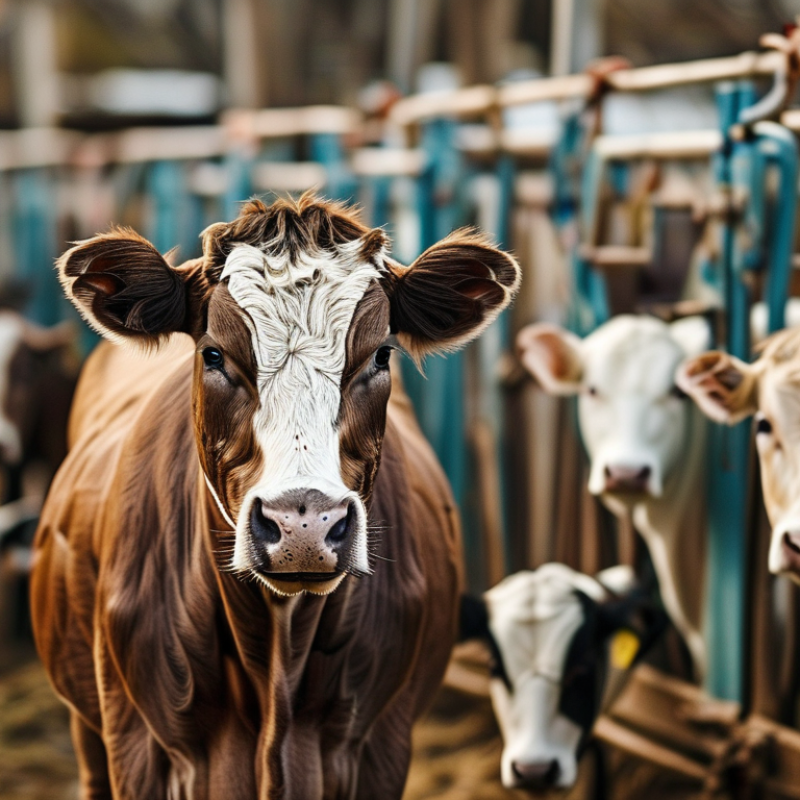
Choosing the right livestock medical syringe is crucial for effective animal care. Various types of syringes are available, each designed for specific purposes. Knowing the differences can help you make an informed decision.
One common type is the standard syringe, which is suitable for general injections. These syringes come in various sizes, making them versatile for different animals. Another option is the multi-dose syringe. This syringe allows for several administrations without needing to change equipment. It is especially handy for mass vaccinations.
Tips: When selecting a syringe, consider the size of the animal. Smaller animals require smaller syringes. Also, check the ease of sterilization. Some syringes can be reused, while others are meant for one-time use. It's essential to ensure your choice fits your operational protocols.
Pay attention to the quality and ease of handling. A poorly designed syringe can lead to waste or improper administration. This can affect the health of the livestock. Regular review of your tools can lead to better outcomes. Investing time in understanding these details enhances your livestock management practices.
| Type of Syringe | Capacity (ml) | Needle Type | Material | Usage Frequency | Ideal For |
|---|---|---|---|---|---|
| Standard Syringe | 10 | Luer Lock | Plastic | Frequent | Cattle, Sheep |
| Automatic Syringe | 25 | Interchangeable | Stainless Steel | Occasional | Swine, Goats |
| Multi-Dose Syringe | 50 | Fixed | Plastic | Frequent | Large Animals |
| Oral Drench Syringe | 60 | No Needle | Plastic | Frequent | Goats, Lambs |
When choosing a livestock medical syringe, several key features are crucial for effective use. Precision is vital. Look for syringes with clear measurement markings. Research indicates that accurate dosages can improve treatment outcomes by up to 30%. This accuracy can significantly reduce medication waste and prevent overdoses, leading to better animal care.
Another important factor is ease of use. Syringes should fit comfortably in hand, allowing for quick and consistent application. Ergonomic designs can enhance grip and control. Many veterinarians recommend syringes that have easy-to-pull plungers. Speed is essential during emergency situations. Moreover, consider the syringe material. Disposable syringes minimize the risk of infection. Reusable syringes can be cost-effective but require thorough cleaning, which is often neglected.
Lastly, consider the needle gauge. A smaller gauge is less painful but may not be suitable for all injections. The right size can minimize stress for the animal, promoting a smoother experience. Regular reviews of syringe performance should be part of your toolkit. Many practitioners find that maintaining proper equipment directly influences patient welfare and operational efficiency. These considerations are not just about functionality; they reflect a commitment to high standards in livestock care.
Choosing the right size and capacity for livestock medical syringes is crucial for effective administration. Livestock syringes come in various sizes, typically ranging from 1 mL to 60 mL. According to a report by the American Veterinary Medical Association, the choice depends on the animal's size and the required dosage.
For larger animals, a syringe with a higher capacity is essential. For instance, dairy cows may need doses of several milliliters, making 50 mL or 60 mL syringes suitable. In contrast, smaller animals like goats can be adequately served with syringes of 5 mL or 10 mL. Using the wrong size can lead to inaccurate dosing. This can affect the treatment's effectiveness and the animal's health.
Additionally, it's important to consider the syringe type. Some syringes have graduated markings for precision, while others offer a simple plunger mechanism. Quality materials ensure durability. However, some low-cost options may compromise on reliability, leading to leaks or inaccurate dosages. Reflecting on these factors is vital in making the best choice for your livestock's healthcare.
When selecting a livestock medical syringe, it’s crucial to evaluate material durability and safety. A study by the Veterinary Journal noted that syringes made from polycarbonate tend to withstand higher pressures than those made from glass. However, glass syringes are often preferred for their ease of sterilization. Assessing the trade-offs is essential for ensuring both longevity and safety.
In terms of safety, a report by the American Association of Bovine Practitioners highlighted the importance of using syringes that are free from harmful plasticizers. Such materials could leach into medications, posing risks to animal health. Additionally, syringes with ergonomic designs help to reduce the risk of accidents during administration, minimizing stress for both the handler and the livestock.
Durability also affects cost-effectiveness. According to a survey conducted among veterinarians, 70% reported that frequent replacements of sub-standard syringes increase operational costs. Selecting durable, safe materials can lead to long-term savings. While there may be initial higher costs, the benefits typically outweigh these expenses when considering overall efficiency.
When choosing a livestock medical syringe, cost is a critical factor. Understanding your budget can help guide your choices. High-quality syringes often range from $20 to $100, depending on features. A report from the Amercian Veterinary Medical Association suggests investing in durable equipment can reduce long-term costs. Cheaper options may wear out quickly and need frequent replacements.
Tips: Consider the materials used in syringes. Stainless steel syringes may have a higher initial cost but last longer. Evaluate the design for ergonomics. A comfortable grip can make a significant difference during use.
You might also have to rethink your choices. Sometimes, a lower-priced option may seem appealing, but it can lead to inefficiencies. A study by the National Animal Health Monitoring System indicates that investing in reliable syringes enhances overall animal health. Make sure to balance upfront costs with potential long-term savings.
Tips: Always read reviews and seek expert opinions. This can help you avoid pitfalls that may appear after purchase. Don't overlook warranty offers, as they can provide peace of mind and potential cost savings.
We use cookies to show you content that is relevant to you. By clicking “Accept”, you agree to the storing of cookies on your device to enhance site navigation, analyze site usage, and assist in our marketing efforts. Feel free to read more about cookies by clicking "settings"