
Vegan Softgels have gained popularity as a convenient way to supplement health. As more individuals lean towards plant-based lifestyles, the demand for these softgels rises. But are they truly effective?
Research shows that Vegan Softgels can offer various health benefits, such as supporting immunity and reducing inflammation. Many contain essential nutrients like omega-3 fatty acids derived from algae. However, the effectiveness of these supplements can vary based on quality and individual health needs.
While some people report positive changes, others may experience minimal effects. This highlights the importance of choosing high-quality products and consulting with healthcare professionals. Evaluating personal health goals is essential before diving into the world of Vegan Softgels. Ultimately, informed choices can lead to better health outcomes.
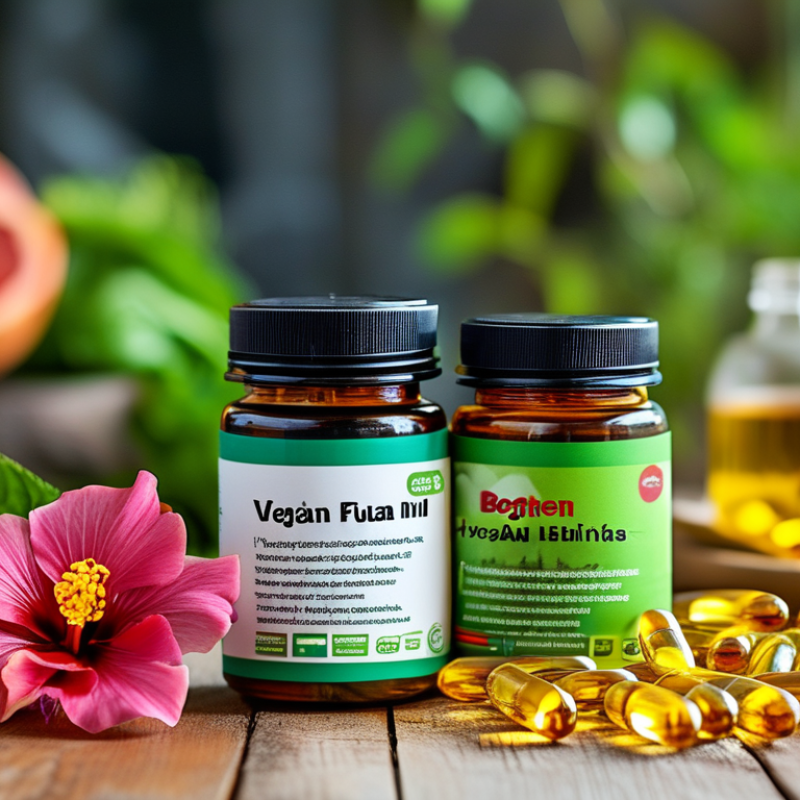
Vegan softgels are gaining popularity for their health benefits. They provide essential nutrients while being plant-based. Many people are turning to these alternatives for various health needs. A report from the Plant-Based Foods Association noted that the demand for vegan supplements has increased by over 20% in recent years. This suggests a growing awareness of alternative nutrition sources.
The nutritional composition of vegan softgels is often impressive. They typically contain omega-3 fatty acids, vitamins, and minerals derived from algae, flaxseed, or chia seeds. A study published in the Journal of Nutritional Science highlighted that omega-3s from plant sources can support heart health effectively. These nutrients are delivered in a convenient softgel form, making them easy to consume. However, the bioavailability of some plant-based nutrients can be less than their animal-based counterparts. This aspect requires further investigation to understand optimal intake levels.
It's crucial to note that not all vegan softgels are created equal. Some may lack certain vitamins, particularly B12, which is primarily found in animal products. Users should pay attention to the specific nutritional value listed on product labels. Additionally, consulting with a healthcare professional is advisable to address individual health needs. This cautious approach helps ensure that one achieves the desired health outcomes.
| Nutrient | Amount per Softgel | Health Benefits | Sources |
|---|---|---|---|
| Omega-3 Fatty Acids | 300 mg | Supports heart health, reduces inflammation | Algal oil, flaxseed oil |
| Vitamin D2 | 1000 IU | Promotes bone health, immune system support | Mushrooms, fermented yeast |
| Vitamin B12 | 100 mcg | Supports nerve function, red blood cell formation | Cyanocobalamin, methylcobalamin |
| Iron | 18 mg | Prevents anemia, supports energy levels | Plant-based sources, iron fumarate |
| Calcium | 200 mg | Supports bone strength, cardiovascular health | Calcium citrate, derived from seaweed |
Omega-3 fatty acids play a vital role in maintaining overall health. These essential fats are commonly found in fish, but vegan alternatives have made significant strides in recent years. Research indicates that plant-based sources, such as algal oil, provide similar benefits. A study published in the Journal of Nutritional Biochemistry found that algal oil supplements can increase DHA levels in the body, effectively combating omega-3 deficiency.
The health impact of omega-3s is profound. Clinical studies suggest they can reduce inflammation and improve heart health. A report from the American Heart Association shows that omega-3 fatty acids may lower the risk of cardiovascular disease by 30%. Surprisingly, many people still lack adequate intake. According to a 2022 survey, over 70% of adults do not consume enough omega-3 rich foods. This gap highlights the need for accessible vegan softgel options.
Vegan softgels containing omega-3s can also support cognitive functions. Evidence indicates that omega-3s are linked to a lower risk of dementia. However, not all vegan softgels are created equal. A review suggested that some do not provide sufficient amounts of EPA and DHA. It is crucial for consumers to research and choose products with verified efficacy.
Vegan softgels have gained popularity as a plant-based alternative to traditional supplements. Their allure lies in the promise of health benefits without animal-derived ingredients. However, it is essential to evaluate their efficacy against scientific evidence. Many consumers expect these softgels to deliver on their health claims, but the reality is more nuanced.
Recent studies suggest that not all vegan softgels are created equal. Some formulations may offer beneficial nutrients, such as omega-3 fatty acids from algae. Yet, the bioavailability of these nutrients can vary. For instance, the body might not absorb certain plant-based nutrients as effectively as those from animal sources. These factors raise important questions about how effective vegan softgels truly are.
Additionally, the overall diet and lifestyle play a significant role in health outcomes. Relying solely on supplements can lead to gaps in nutrition. Many individuals might not consider their dietary habits, which can influence the effectiveness of these softgels. A comprehensive approach that includes whole foods is crucial for achieving optimal health. This complexity reminds us that while vegan softgels can be a resource, they should not be a standalone solution.
The trend towards plant-based supplements is gaining momentum. More consumers are seeking vegan options for various health benefits. This shift reflects a broader awareness of nutrition and wellness. People want products that align with their values, promoting sustainability and well-being.
Research indicates that the demand for vegan softgels is on the rise. They are perceived to be cleaner and healthier alternatives. Many individuals find comfort in knowing their supplements are free from animal products. However, not all vegan supplements are created equally. Some may lack essential nutrients. It’s crucial for consumers to evaluate the formulations carefully. They should seek products that offer comprehensive benefits without compromising quality.
As more brands enter this market, choosing the right supplement can be challenging. Consumers may feel overwhelmed by the choices available. The growing variety does not guarantee effectiveness or safety. Relying on transparent labeling, reviewing third-party testing, and seeking professional advice can enhance confidence. This approach helps individuals make informed decisions on their wellness journey.
Vegan softgels have gained popularity as a plant-based alternative to traditional gelatin capsules. These softgels are typically made from substances like carrageenan or alginate, derived from seaweed. Research from the Journal of Vegan Nutrition indicates that such options can be equally effective in delivering nutrients. They often provide a healthier choice for those who are mindful of animal product consumption.
Comparing vegan softgels to gelatin capsules reveals significant differences. Gelatin is derived from animal collagen. One report suggests that over 70% of consumers prefer vegan options due to ethical concerns. Vegan softgels also align better with sustainable practices. Many studies show that plant-based capsules tend to have fewer allergens, making them suitable for a wider audience. However, both types may face bioavailability challenges in terms of nutrient absorption.
While vegan softgels present promising benefits, it’s essential to acknowledge potential drawbacks. Some formulations may include added sugars or artificial ingredients. A closer look at ingredient lists is advisable. Not all vegan softgels are created equal. Potential consumers should seek products with transparent sourcing and quality standards.
We use cookies to show you content that is relevant to you. By clicking “Accept”, you agree to the storing of cookies on your device to enhance site navigation, analyze site usage, and assist in our marketing efforts. Feel free to read more about cookies by clicking "settings"