
In today's healthcare environment, the role of the "Hospital Icu Monitor" is critical for patient care. Dr. Emily Chen, a renowned expert in critical care technology, emphasizes, "The right monitor can make life-saving differences in the ICU." These devices offer real-time data, enabling healthcare professionals to respond swiftly. Their role goes beyond mere observation; they facilitate timely interventions that can greatly influence patient outcomes.
Yet, not all monitors are created equal. Some may fall short in providing comprehensive data or intuitive interfaces. Many hospitals struggle with outdated equipment, compromising patient safety. The selection of an ICU monitor requires careful consideration. It should support the diverse needs of the patients and ease the workload of healthcare providers. Advanced features, user-friendly designs, and robust reliability are essential.
While innovation is crucial, it often comes with complexities. Staff training and integration with existing systems are common challenges. Addressing these issues is key to maximizing the benefits of modern hospital ICU monitors. Continuous evaluation and improvement in monitoring technology can pave the way for enhanced patient care and safety.
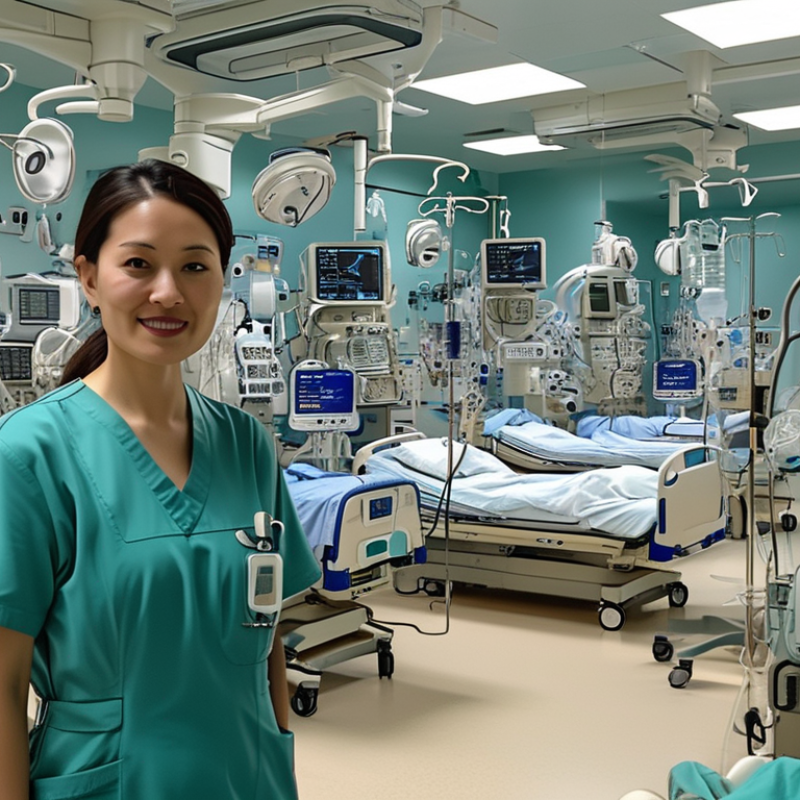
Intensive Care Units (ICUs) are critical in delivering optimal patient care. ICU monitors play a pivotal role in this environment. According to a report by the American Heart Association, over 60% of patients in ICUs require continuous monitoring. These devices track vital signs, ensure prompt intervention, and contribute to better outcomes.
Proper functionality is vital for accurate data interpretation. Misleading readings can lead to severe patient risks. A study published in Critical Care Medicine highlighted that up to 80% of clinical alarms are false. This unnecessary noise may cause staff to ignore important alerts. Effective device management and training are essential to counter this challenge.
Tips: Regularly test and calibrate monitors to ensure accuracy. Train staff on recognizing critical alerts effectively. Also, evaluate the monitor systems periodically to reduce alarm fatigue. Accurate monitoring not only enhances patient safety but also builds staff trust in the technology. In the complex ICU environment, continuous improvement is necessary for better patient outcomes.
When selecting ICU monitors, several critical features deserve attention. The device should have high-resolution displays for clear visibility. This is essential for healthcare professionals who need to interpret data swiftly and accurately. Additionally, intuitive user interfaces are crucial. Complex systems can slow down responses in critical situations. Keep in mind the importance of easy navigation and quick access to vital signs.
Another significant aspect is the device’s ability to integrate with other systems. Modern ICUs often employ multiple technologies. A monitor that connects seamlessly with other devices enhances patient care. It allows for a comprehensive view of patient data in real time. This interconnectedness can be a game-changer during emergencies.
Battery life is frequently overlooked. A reliable monitor must operate continuously, even during power outages. Hospitals should also evaluate the ease of cleaning. Monitors in intensive care units face exposure to various contaminants. Ensuring proper hygiene is non-negotiable in maintaining patient safety. Balancing these features may pose challenges, but prioritizing them will undoubtedly lead to better patient outcomes.
This chart illustrates the essential features to consider when choosing ICU monitors based on their percentage importance to healthcare professionals.
When it comes to ICU monitors, choosing the right brand matters significantly. According to recent industry reports, about 50% of critical care errors stem from insufficient monitoring tools. Therefore, selecting a reputable ICU monitor can vastly improve patient outcomes. Brands that provide high-resolution displays usually enable healthcare professionals to notice subtle changes in a patient's condition promptly.
One noteworthy aspect of top monitor brands is their unique features. For example, some monitors offer real-time data analytics, enhancing decision-making in critical situations. Others provide advanced alarm systems that help mitigate alarm fatigue, which can be a serious issue in intensive care settings. This is crucial as studies suggest that roughly 80% of alarms in ICU wards are false, leading to desensitization in staff and potential oversight of real issues.
However, these monitors aren’t without flaws. Some systems may have a steep learning curve, requiring extensive training for effective use. Additionally, while the data accuracy is often high, discrepancies can arise if devices are not regularly calibrated. A well-rounded approach is needed to maximize their functionality and ensure they augment patient care without creating undue stress for medical professionals.
| Feature | Description | Unique Advantage |
|---|---|---|
| Real-time Monitoring | Monitors vital signs continuously, providing instant feedback. | Enables immediate response to patient needs. |
| Multi-parameter Capabilities | Tracks multiple vital signs such as heart rate, blood pressure, and oxygen saturation. | Provides a holistic view of patient condition. |
| User-friendly Interface | Easy to read and navigate display for healthcare staff. | Reduces training time and increases efficiency. |
| Wireless Connectivity | Allows data to be sent to electronic health records in real-time. | Enhances data accessibility and sharing among medical teams. |
| Alarm Management | Configurable alarms to minimize unnecessary alerts. | Improves focus on critical situations while reducing alarm fatigue. |
| Data Trends and Analytics | Visual representation of vital signs over time. | Assists in identifying patterns and making informed clinical decisions. |
In an ICU, real-time monitoring is critical for patient safety. Various technologies are employed, including bedside monitors and centralized systems. A study from the Journal of Critical Care highlights that 70% of adverse events in critical care settings could be prevented through adequate monitoring. This statistic underscores the essential role of advanced monitoring systems in improving patient outcomes.
Bedside monitors collect vital signs, such as heart rate and oxygen saturation. These devices must deliver accurate data promptly. The introduction of non-invasive monitoring technology has transformed ICU practices, yet issues like sensor accuracy continue to surface. According to a recent report by the American Heart Association, 15% of alarms from these devices can be false. Such challenges require ongoing training and system adjustments to ensure reliability.
Central monitoring systems can aggregate data from multiple beds, providing a comprehensive view. However, they also face limitations. These systems sometimes experience delays in data transmission, leading to potential oversight. A 2022 report indicated a 20% increase in oversight incidents linked to poor data integration. The need for seamless technology integration remains a vital focus area for ICU teams aiming to elevate the standard of care.
In recent years, the landscape of ICU monitoring has evolved significantly. New technologies are emerging, focusing on enhancing patient care and safety. Telemonitoring systems allow healthcare professionals to oversee patients remotely. This can lead to faster response times in critical situations.
Another exciting trend is the integration of artificial intelligence in monitoring systems. AI can analyze vast amounts of data quickly, identifying patterns that human eyes might miss. However, there are challenges. Reliance on algorithms raises concerns about accuracy. Misinterpretations can occur, affecting patient outcomes.
Patient-centered care is also gaining traction. Monitoring devices now provide real-time feedback directly to patients. This empowers them, fostering a sense of control over their health. Yet, some patients may feel overwhelmed. Balancing technology and human interaction is crucial in delivering optimal care. Continuous reflection on these advancements will help healthcare providers navigate this complex landscape effectively.
We use cookies to show you content that is relevant to you. By clicking “Accept”, you agree to the storing of cookies on your device to enhance site navigation, analyze site usage, and assist in our marketing efforts. Feel free to read more about cookies by clicking "settings"